Saint Kitts & Nevis Reforms: A New Opportunity for Second Passport by Investment

Saint Kitts & Nevis has recently introduced significant reforms to its Citizenship by Investment (CBI) program, making it even more attractive to global investors and families seeking a second passport by investment. These updates include lifting the education requirement for adult dependents and extending the maximum age for dependent children to 30 years.

In this article, we examine what these reforms mean for applicants, the strategic rationale behind them, and how Adeniyi Associates can help you navigate this evolving landscape.


Key Changes in the Reform

  1. Education Requirement Removed for Adult Dependents
    Previously, dependents aged 18 to 25 had to maintain full-time enrolment in recognized educational institutions to qualify under the Saint Kitts & Nevis CBI scheme. The new regulation eliminates that requirement entirely. Now, adult dependents simply need to demonstrate substantial financial dependence on the main applicant (via bank statements, affidavits, or proof of remittances). IMI Daily

  2. Dependent Age Raised to 30 Years
    The maximum age for dependent children has been raised from 25 to 30 years, provided the application is submitted before their 30th birthday. This change allows many young adults—who may be in between careers, pursuing nontraditional education, or otherwise financially dependent—to stay eligible.

  3. Other Dependent Rules Remain Unchanged
    Protections remain for children under 18, dependents with disabilities, and parents aged 55 or above. The intent is not to overhaul the program entirely but to adapt to the realities faced by modern families.

  4. Timing & Strategic Context
    These reforms coincide with the upcoming full implementation of the Eastern Caribbean Citizenship by Investment Regulatory Authority (ECCIRA), expected in September 2025. Many industry insiders believe Saint Kitts & Nevis is positioning itself to stay competitive within the Caribbean CBI space.


Implications for Applicants & Families

Greater Flexibility for Families

By lifting the full-time education requirement and raising the dependent age ceiling, Saint Kitts now accommodates families with older children or those who pursue unconventional paths (such as entrepreneurship, vocational training, or temporary career breaks). This flexibility can make the program more appealing to investors from regions where tertiary education is less linear or continuous.

Enhanced Appeal in the Market

Analysts have hailed these changes as a smart move to maintain global competitiveness. One observer called the removal of the educational prerequisite “the best move for sure,” noting how it removes a barrier that excluded many legitimate dependents. IMI Daily

Need for Strong Evidence of Dependence

Because adult dependents no longer need to be students, the revised rules place more importance on credible evidence of financial dependence. Applicants must ensure that bank records, affidavits, and remittance trails are clear and robust to satisfy due diligence.

Timing Matters

Given that the regulatory amendments are being formally processed and expected to take effect soon, early preparation is key. Agents and applicants should have documentation ready, especially before ECCIRA’s full regulatory oversight begins.


How This Fits Into the Broader “Second Passport by Investment” Strategy

The Saint Kitts reform is part of a broader trend: countries adapting their citizenship-by-investment programs to be more inclusive and responsive. If you’re exploring options for a second passport by investment, here’s what to keep in mind:

  • Evaluate dependent and eligibility rules carefully. Rules around age, education, language skills, and financial dependence differ between jurisdictions.

  • Monitor regulatory changes. As seen in Saint Kitts & Nevis, programs may evolve quickly. Staying updated is critical.

  • Focus on compliance and transparency. Rigorous due diligence is a constant across jurisdictions. The strength of your supporting documentation often carries as much weight as the investment itself.

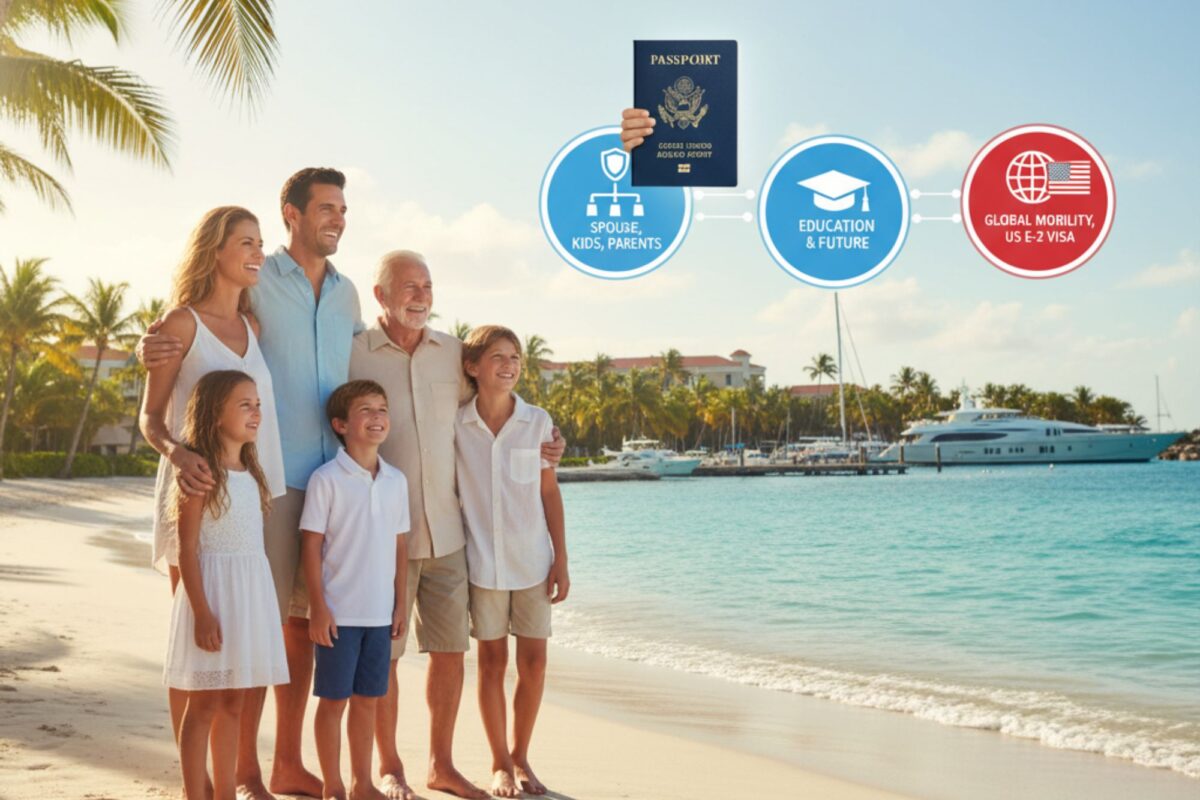
At Adeniyi Associates, we assist clients in evaluating which programs match their priorities—whether it’s for visa freedom, tax planning, family inclusion, or global mobility. You can read more about second-passport programs such as Grenada, Dominica, Malta, and others on our Citizenship by Investment Services page.


Why Choose Adeniyi Associates?

  • Expert Guidance
    Our team has deep experience advising on second passport by investment transactions, particularly in Caribbean and European jurisdictions.

  • Tailored Solutions
    Whether your goal is visa-free travel, legacy planning, or geopolitical diversification, we craft strategies that align with your needs and constraints.

  • End-to-End Support
    From eligibility assessment and document preparation to liaison with government agencies and final citizenship issuance, we manage the full process for you.

If you’re considering securing a second passport by investment, or wish to explore how the Saint Kitts & Nevis reforms might benefit your family, contact us today for a personalized consultation.

St. Kitts Adds Visa Free Access to Nigeria: What It Means for You

St. Kitts Adds Visa Free Access to Nigeria: What It Means for You

Imagine holding a St. Kitts & Nevis citizenship and suddenly being able to fly to Nigeria without worrying about visas, paperwork delays, or surprise fees. That’s now reality — as of August 4, 2025, St. Kitts & Nevis passport holders have visa-free access to Nigeria. This isn’t just a diplomatic win; it’s a seismic shift for mobility, opportunity, and connectivity between Africa and the Caribbean.

In this post, let’s dive deep: what led to this agreement, how it changes life for holders of the St. Kitts & Nevis citizenship by investment program, what benefits and limitations to watch for, and how this fits into the broader moment of global travel and diaspora relations.


What Changed: The New Visa-Free Arrangement

The Agreement and Its Origins

  • The move was officially announced after high-level talks between Prime Minister Dr. Terrance M. Drew of St. Kitts & Nevis and Nigerian President Bola Ahmed Tinubu.
  • On August 4, 2025, the reciprocity was formalized — Nigerian citizens and Kittitians/Nevisians now enjoy mutual visa-free entry.

What Visa-Free Means in Practice

  • Holders of ordinary St. Kitts & Nevis passports no longer need a visa to enter Nigeria for short stays.
  • Standard entry documentation (valid passport, onward ticket, proof of stay) still applies.
  • The agreement is designed to boost tourism, business, cultural exchange, and stronger ties between both regions.

Why It Matters: Key Benefits of St. Kitts & Nevis Citizenship

Before focusing on Nigeria, it’s worth revisiting what makes St. Kitts & Nevis citizenship by investment so valuable — and how this new visa-free access strengthens those advantages.

Benefit Details
Global Mobility Passport holders can access over 150 destinations visa-free or visa-on-arrival, including the UK, EU Schengen zone, and beyond.
No Residency Requirement You don’t need to live in St. Kitts & Nevis to obtain or keep your citizenship.
Family Coverage & Heritage Dependents can be included, and citizenship can be passed down to future generations.
Tax Advantages & Privacy Attractive tax benefits with no wealth or inheritance tax. Dual citizenship is permitted.

Now, with visa-free Nigeria access, the passport’s appeal becomes even stronger, particularly for applicants with African roots or business interests.


Implications of Visa-Free Access to Nigeria

1. For the Nigerian Diaspora

If you are Nigerian by birth but now hold St. Kitts & Nevis citizenship, trips home are smoother. No more visa delays, last-minute embassy visits, or extra costs. Travel becomes spontaneous and stress-free.

2. Business & Investment Opportunities

  • Entrepreneurs can fly in for meetings, explore opportunities, or attend trade fairs without the usual paperwork.
  • It creates easier access to two worlds — the Caribbean and Africa — allowing cross-border trade, investments, and partnerships.
  • St. Kitts & Nevis citizens can now expand their business footprint in one of Africa’s largest economies.

3. Education & Cultural Exchange

  • Students and professionals can travel more freely for research, internships, and cultural events.
  • Families can reconnect without barriers, making the Caribbean-Africa bond stronger.

4. Diplomacy & Passport Strength

  • The agreement shows how small states like St. Kitts & Nevis are gaining global recognition.
  • For applicants considering the program, it’s proof that the passport’s power continues to grow — both symbolically and practically.

Potential Caveats & What to Watch For

While this is excellent news, travelers should keep in mind:

  • Stay Limits: Visa-free usually covers short visits (tourism or business). Work or long-term stays still require permits.
  • Entry Requirements: Immigration officers may ask for proof of funds, onward tickets, or accommodation.
  • Implementation: As the agreement is new, procedures may take time to standardize at all entry points.

Comparing With Other Citizenship & Visa Developments

This move sets a strong precedent:

Country/Passport Recent Change Why It Matters
St. Kitts & Nevis → Nigeria Visa-free access since Aug 2025 Strengthens African ties and boosts passport value.
Other Caribbean CBI Programs Visa-free access to many countries, but not all have African reciprocity. St. Kitts stands out with a major African economy included.

What It Means for Future Applicants

For anyone considering the St. Kitts & Nevis Citizenship by Investment Program, this new agreement adds tremendous value:

  • It boosts the passport’s ranking and practicality.
  • It appeals especially to Africans and members of the diaspora seeking smooth links between the Caribbean and their home continent.
  • It strengthens the case for choosing St. Kitts & Nevis over other options in the Caribbean.

Conclusion

Nigeria’s decision to grant visa-free access to St. Kitts & Nevis citizenship holders is more than a diplomatic announcement — it’s a practical win for individuals, families, and businesses. From simpler travel and family reunions to increased business mobility, the change reinforces the strength and prestige of the St. Kitts & Nevis passport.

If you’re exploring second citizenship options, this new development is a reminder that the value of a passport is not just in where it takes you, but in the opportunities it unlocks.


Call To Action

Interested in learning how you can secure St. Kitts & Nevis citizenship and enjoy benefits like visa-free access to Nigeria, the EU, UK, and over 150 destinations? Visit us at www.adeniyiassociates.com to explore your options or book a consultation today.


Would you also like me to create a 16:9 blog banner image for this one (like I did for your previous post), but this time with a St. Kitts + Nigeria travel/diplomatic theme?

Which Caribbean citizenship is best if I want to live there permanently?

Which Caribbean citizenship is best if I want to live there permanently?

Imagine waking up to turquoise waters, warm sunshine, palm trees rustling, and a sense of peaceful security. If you’re considering relocating, Caribbean citizenship isn’t just about getting a second passport — it’s about choosing a place to call home. But among the many Caribbean options, which citizenship gives you the best chance to live permanently, comfortably, and with all the freedoms you’re seeking?

In this post, we’ll compare leading Caribbean citizenship programs — especially Antigua & Barbuda and Grenada — from the perspective of someone who intends to settle. You’ll get insights on infrastructure, legal permanence, costs, daily life, and hidden trade-offs, to help you decide where you’ll not just visit, but live. (And yes, I’ve included some stories from people who’ve done exactly that.)


Comparing the Top Options for Permanent Living

Here we compare two of the best Caribbean choices — Antigua & Barbuda vs Grenada — on dimensions that matter when settling permanently. Afterwards, I’ll highlight other worthy options and overall key insights.

Criteria Antigua & Barbuda Grenada
Legal Right to Live Permanently Citizenship by Investment grants full citizenship, meaning you can live there permanently without immigration renewals. Also permanent residency via tax residency or other resident permits are possible. (Immigrant Invest) Grenada’s CBI gives citizenship with full rights, no requirement of physical residency to maintain status. Permanent residency options exist, especially if you purchase property, but citizenship is the clearest route. (Henley & Partners)
Investment Required For citizenship: government donation or fund contribution starting around US$230,000 for individuals (varies) or investment in real estate/business. (Global Citizen Solutions) CBI minimums: ≥ US$235,000 via donation (National Transformation Fund) or ≥ US$270,000 in government-approved real estate. (Henley & Partners)
Residency Requirements Very minimal. For citizenship you don’t need to reside permanently. There is a five-day visit requirement in five years for Antigua & Barbuda’s CBI program. Also, other programs like the Tax Residency Program require you spend about 30 days/year in Antigua. (Global Citizen Solutions) Grenada: no minimum stay requirement to maintain citizenship. You are free to live abroad, though choosing to move there full-time is possible. (Henley & Partners)
Quality of Life & Infrastructure Antigua offers safe environment, family-oriented communities, good healthcare, reliable utilities, and strong tourist infrastructure. Greater connectivity (flights to U.S., UK, Europe). Smaller islands but well-established services. (globalcitizen-caribbean.com) Grenada is similarly well-developed: decent healthcare, good facilities in major towns, reliable electricity and internet in main areas. More mountainous; remote areas less developed, but overall infrastructure solid. Also strong flight connections. (Global Residence Index)
Travel Freedom & Second Passport Perks Visa-free or visa-on-arrival access to ~150+ countries. Good for global mobility. Antigua passport holds strong power. (globalcitizen-caribbean.com) Grenada offers visa-free/visa-on-arrival to 140+ destinations. Important edge: Grenada is one of the few Caribbean countries with a U.S. E-2 Investor Visa treaty, meaning citizens may more easily get certain business/working privileges in the U.S. after meeting criteria. (Henley & Partners)
Taxes & Cost of Living Antigua is known for favorable tax regimes: no wealth, inheritance or capital gains taxes for citizens in many cases; also, cost of living is relatively modest compared to U.S./UK but still more than less developed Caribbean islands. Example: single person might spend US$1,100-US$3,000/month (excluding luxury choices) depending on lifestyle. (globalcitizen-caribbean.com) Grenada has similar tax benefits: no worldwide income tax for citizens living abroad in many cases. Cost of living is manageable but depends heavily on where you live (coastal vs inland, city vs rural). (Global Residence Index)

Key Insights & Personal Experience

Beyond the table, here are deeper observations and considerations from people who have made the move, plus things you might not read in standard guides.

🏝 Daily Life Vibes

  • Antigua & Barbuda tends to feel more touristy — many resorts, high-end vacation villas, a strong expat community. If you enjoy amenities, beaches, marinas, and frequent flights, you’ll like that pace.
  • Grenada feels more “lived in” — there’s a pronounced local culture, smaller towns, lush interior, and less of the tourism glare outside the capital. If you like a mix of nature and community more than constant resort luxury, Grenada may feel more “real home”.

🌱 Community & Integration

  • Expats in Antigua often stay within certain enclaves or luxury developments. Integration is possible but more discrete.
  • In Grenada, while there are luxury gated properties, there are also many small local neighborhoods where expats live among locals, participate in community festivals, agriculture, etc. This tends to build stronger ties when choosing to live permanently.

⚠️ Things That Might Surprise You

  • Even with citizenship, some remote locations in these islands may face power outages or slower internet—important if you work remotely.
  • Major supplies (imported goods) can be more expensive; healthcare beyond basic local clinics may require travel to larger hospitals or abroad.
  • Residency for tax purposes sometimes requires certain days spent in the country or certain investments — check the fine print of the program you choose.

Other Caribbean Citizenship Options to Consider

If Antigua or Grenada don’t match your needs perfectly, here are some alternatives worth exploring:

  • St. Kitts & Nevis: Fast processing times, proven program, and strong passport power.
  • Saint Lucia: Multiple investment routes, flexible options, and good lifestyle offerings.
  • Dominica: Often more affordable, simpler programs, good for people who want to stretch every dollar while still getting strong benefits.

These may have trade-offs (less infrastructure, fewer flights, smaller expat communities), but in many cases the difference is in comfort rather than capability.


Which Caribbean Citizenship Is Best for Permanent Living?

Drawing together all the pieces, here’s what seems to make a citizenship “best” if your goal is living there long term:

  1. True Citizenship vs Temporary Residency — you want a status that lets you stay, work, and integrate without annual renewals.
  2. Minimal Physical Stay Requirements — so you can split time between places without losing rights.
  3. Strong Infrastructure & Access to Healthcare — at least one reliable major hospital, good roads, reliable services.
  4. Good Mobility — both inside the Caribbean and globally (visa-free access, good flight connections).
  5. Tax Efficiency — favorable tax laws, clarity on what you’ll owe and when.
  6. Community & Lifestyle Alignment — are you more resort style, nature, quiet living, culture, local integration?

Based on current data and lived experience, Grenada edges ahead if you prioritize mobility (especially with the U.S.) and flexible living, while Antigua & Barbuda shines for safety, luxury, and more “touristic comforts.” If cost is less of a concern and you’re seeking balance, Antigua may feel smoother; if you want value, connection, and someone who works with you to live simply but beautifully, Grenada is hard to beat.


Conclusion & Call to Action

If you’re ready to choose the right Caribbean citizenship to live permanently, weigh what matters more to you:

  • How much time you want to spend on the island vs abroad
  • Whether you prefer vibrant cosmopolitan amenities or quiet, nature-rich surroundings
  • Your budget for investment and ongoing lifestyle costs

Need help narrowing it down based on your priorities (family, business, remote work, etc.)? We at www.adeniyiassociates.com offer free strategy sessions. Let’s map out which Caribbean country fits you best so that your second citizenship isn’t just a passport — it’s your real home.


If you found this helpful, feel free to share your thoughts in the comments, or pass this along to someone else exploring shifts in life. Want more comparison posts (e.g. Dominica vs Saint Lucia vs St. Kitts)? I’d be happy to write that too.

Which Caribbean Citizenship by Investment is Best for Global Travel?

Which Caribbean Citizenship by Investment is Best for Global Travel?

Imagine stepping through border control without visa stress, hopping from one continent to the next as easily as switching between TV channels. It’s this kind of freedom that makes Caribbean Citizenship by Investment a powerful gateway to global mobility. Whether you’re an entrepreneur, luxury seeker, or global nomad, choosing the right Caribbean passport can redefine how you travel—and the world travels with you.

In this article, we’ll examine the top Caribbean CBI passports for travel: not just the numbers, but what’s behind them—the geopolitical perks, strategic access, and real-world stories that bring them to life.


Passport Power: A Comparative Snapshot

Let’s break it down with a clear comparison of the leading Caribbean passports for travel freedom:

Passport (CBI Country) Visa-Free / Visa-on-Arrival Access Distinctive Advantages
St. Kitts & Nevis Approx. 148–154 destinations (Passport Index, VisaIndex.com) Broadest travel reach among Caribbean CBIs
Grenada Around 147–148 destinations (Wikipedia, Global Citizen Solutions) Includes rare access to mainland China + U.S. E-2 Visa eligibility
Antigua & Barbuda Not specifically ranked here, but comparable globally (Passport Index) Balanced option with strong access and lifestyle benefits

Deep Dive: Why Each Country Stands Out

St. Kitts & Nevis: Mobility King of the Caribbean

According to Passport Index data, St. Kitts & Nevis ranks #21 globally, offering visa-free or visa-on-arrival access to 148 countries. (Passport Index) While some sources suggest up to 154, the consensus is around the 148–154 range depending on metrics like e-Visas and VOAs. (VisaIndex.com)

What this means in real life: European business meetings without pre-visa hassles, flash European vacations, and easier planning for branching out into Asia.

Grenada: The China Connection & More

Grenada opens unique doors—it’s one of the few Caribbean passports allowing visa-free access to mainland China (typically up to 30 days) (Wikipedia, Imin Caribbean, Global Citizen Solutions, Global Residence Index)—a rare privilege among investors. Combine that with strong international access (147–148 destinations) (Global Citizen Solutions) and the added bonus of being eligible for the U.S. E-2 Investor Visa, and you’ve got an enviable mix for global entrepreneurs.

Other Contenders: Antigua & Barbuda (and peers)

While detailed visa counts aren’t listed here, Antigua & Barbuda, Dominica, and St. Lucia all offer respectable travel freedom, often hovering just below St. Kitts & Nevis and Grenada. Antigua, for example, ranks closely in the Passport Power scale. (Passport Index)


What Makes These Passports So Strategic?

1. Real Global Reach

Caribbean passports outperform many developed countries in mobility. Entry to the Schengen zone, UK, Hong Kong, Singapore, and many island nations often requires no visa or arrival visa, a convenience that’s hard to overstate. (Henley & Partners)

2. Access to Hard-to-Reach Markets

Only Grenada among Caribbean CBI countries offers visa-free China access—a major advantage for business practitioners exploring Asia. (Wikipedia, Imin Caribbean)

3. E-2 Bridge to the U.S.

Grenada’s treaty status makes its citizenship a common strategy for securing the U.S. E-2 investor visa—unique among Caribbean options.

4. Not Just Numbers—Flexibility Matters

Visa-free counts can differ (VOA, e-Visa, or full exemption), but what really matters is where those visas get you and how. That quiet scatter of access can transform route planning and opportunity timelines.


Fresh Insights & Anecdotes

  • “Freedom to pivot” — I’ve seen travelers booked on spur-of-the-moment flights to Europe or Asia thanks to Caribbean passports—without the usual admin headache.
  • Business advantage — One entrepreneur flew to China to seal a deal, then hopped back to the U.S. effortlessly—on the same Grenadian passport.
  • Unexpected surprises — Some attendees at international events were stunned to learn colleagues held EU-standard access while they were scrambling with visa applications.

These passports aren’t magic, but they are tools—ones that change how quickly and easily you move, close deals, or pivot.


Personal Reflection: My Caribbean Travel Win

When I held my Grenadian passport, I booked a last-minute trip to Hong Kong to attend a conference. No visa. No stress. Just packed, boarded, and went. Meanwhile, a friend slowed by slow embassy queues barely made it in time. That contrast made the value of a travel passport very real, very personal.


Final Verdict: Which Should You Pick?

  • Choose St. Kitts & Nevis if you want pure expansion of travel rights, whether for leisure, business, or global positioning.
  • Choose Grenada if you aim for strategic access—especially to ecosystems like China or U.S. markets via the E-2 path.
  • Other options like Antigua & Barbuda, Dominica, and St. Lucia are valid too—especially if lifestyle, investment profiles, or budget align better.

What matters most? Your goals, your routes, and how you’ll actually use the passport—for travel, business, family, or layering onto other opportunities.


Which countries are you planning to visit most? Drop a comment—let’s talk visa logistics! Ready to map your own path to global mobility with Caribbean Citizenship by Investment? Head over to Adeniyi Associates—we’d love to build that blueprint with you.

Thanks for exploring with me—here’s to passports that open doors, not just stamps that stay in the book!

Best Caribbean Citizenship for Global Travel: St. Kitts & Nevis vs. Grenada

Best Caribbean Citizenship for Global Travel: St. Kitts & Nevis vs. Grenada

Ever wondered which Caribbean citizenship truly opens the world’s doors? When it comes to the best Caribbean citizenship for global travel, two programs consistently stand out: St. Kitts & Nevis and Grenada. These passports offer unparalleled access—from Europe’s Schengen Zone to China, and even U.S. business opportunities. But beyond the numbers lies a nuanced choice: one designed for raw travel freedom, the other for strategic business mobility.

Let’s journey through these passports, weigh their real-world advantages, and help you pick the one that best aligns with your global ambitions.


Comparison at a Glance

Feature St. Kitts & Nevis Grenada
Visa-Free Access ~154–157 countries 140+ countries (incl. China, UK, Schengen)
Unique Perk Broadest travel reach among Caribbean CBIs Eligibility for U.S. E-2 Investor Visa
Typical Investment Cost ~$250,000 minimum ~$235K–$270K via fund or real estate
Processing Duration Fast-track citizenship, often under 6 months Similar efficiency timeline
Travel Highlights

Deep Dive: Why St. Kitts & Nevis Excels

Expansive Travel Reach

St. Kitts & Nevis stands out for offering visa-free or visa-on-arrival entry to around 154 countries—consistently ranking in the top tier globally for passport strength). Whether you’re heading to Singapore, the Schengen Zone, or Hong Kong, this passport streamlines your journey.

Speed & Convenience

The Citizenship by Investment (CBI) program is known for its efficiency. With a minimum investment of around $250,000, you can obtain citizenship—often in just a few months.

Tax-Friendly Structure

St. Kitts & Nevis offers favorable tax conditions, with no personal or inheritance tax for non-residents, making it a compelling choice for asset optimization.


Deep Dive: Grenada’s Strategic Edge

Access Where It Counts

Grenadian passports open doors to over 140 visa-free destinations, including China, the Schengen Zone, and the UK—a sweet spot for business travelers targeting Asia and Europe.

U.S. E-2 Investor Visa Eligibility

Here’s where Grenada shines: it’s the only Caribbean CBI program recognized by the U.S. for the E-2 Investor Visa. This powerful non-immigrant visa allows you (and your family) to live and work in the U.S. by investing in a business . It’s a rare bridge for entrepreneurs aiming to establish themselves stateside.

Natural Beauty & Real Estate Appeal

Beyond legal perks, Grenada offers lifestyle benefits. Investors are drawn not just by the passport but by a growing luxury real estate market—such as Silversands resort—adding aesthetic and experiential value to the decision.


Unexpected Insights & Real-World Perspective

  • Fewer Restrictions in Emergencies: Anecdotal stories reveal that even during travel restrictions, Caribbean passport holders—especially Grenadians—sometimes had expedited access due to diplomatic agility.
  • Diplomatic Support: For St. Kitts & Nevis citizens, British consulates can offer emergency assistance when travel complications arise—a layer of protection that often gets overlooked .
  • Personal Touch: Imagine flying to Europe with no visa hassle, or being invited to China for a business pitch. That’s real flexibility. I’ve seen friends turn spontaneous business trips into acted opportunities, thanks to these passports. It’s about turning potential into presence.

Choosing the Right Passport: What Fits You Best?

Choose St. Kitts & Nevis if you:

  • Want the broadest possible visa-free access
  • Prioritize speed and convenience in obtaining citizenship
  • Value tax-efficient citizenship and ease of global movement

Choose Grenada if you:

  • Need secure, visa-free access to China
  • Have a U.S.-oriented business plan and want the E-2 visa advantage
  • Appreciate combining lifestyle opportunities with strategic mobility

Conclusion

After exploring the data and tradecraft, here’s the verdict:

  • If sheer travel freedom is your goal, St. Kitts & Nevis leads the pack.
  • If you’re strategically planning for business access—especially to the U.S.—Grenada’s E-2 eligibility gives it a unique edge.

Neither choice is wrong—both are game changers. Your priorities will tip the scale.


Call to Action

I’d love to hear your thoughts: which path resonates most with your travel or business goals? Share your perspectives below, or visit Adeniyi Associates to explore tailored guidance on Caribbean citizenship planning. Don’t forget to subscribe for deep dives into global citizenship and mobility strategies!


Thanks for exploring this with me—here’s to choosing the passport that propels your world forward!