Which Caribbean Citizenship by Investment is Best for Global Travel?

Which Caribbean Citizenship by Investment is Best for Global Travel?

Imagine stepping through border control without visa stress, hopping from one continent to the next as easily as switching between TV channels. It’s this kind of freedom that makes Caribbean Citizenship by Investment a powerful gateway to global mobility. Whether you’re an entrepreneur, luxury seeker, or global nomad, choosing the right Caribbean passport can redefine how you travel—and the world travels with you.

In this article, we’ll examine the top Caribbean CBI passports for travel: not just the numbers, but what’s behind them—the geopolitical perks, strategic access, and real-world stories that bring them to life.


Passport Power: A Comparative Snapshot

Let’s break it down with a clear comparison of the leading Caribbean passports for travel freedom:

Passport (CBI Country) Visa-Free / Visa-on-Arrival Access Distinctive Advantages
St. Kitts & Nevis Approx. 148–154 destinations (Passport Index, VisaIndex.com) Broadest travel reach among Caribbean CBIs
Grenada Around 147–148 destinations (Wikipedia, Global Citizen Solutions) Includes rare access to mainland China + U.S. E-2 Visa eligibility
Antigua & Barbuda Not specifically ranked here, but comparable globally (Passport Index) Balanced option with strong access and lifestyle benefits

Deep Dive: Why Each Country Stands Out

St. Kitts & Nevis: Mobility King of the Caribbean

According to Passport Index data, St. Kitts & Nevis ranks #21 globally, offering visa-free or visa-on-arrival access to 148 countries. (Passport Index) While some sources suggest up to 154, the consensus is around the 148–154 range depending on metrics like e-Visas and VOAs. (VisaIndex.com)

What this means in real life: European business meetings without pre-visa hassles, flash European vacations, and easier planning for branching out into Asia.

Grenada: The China Connection & More

Grenada opens unique doors—it’s one of the few Caribbean passports allowing visa-free access to mainland China (typically up to 30 days) (Wikipedia, Imin Caribbean, Global Citizen Solutions, Global Residence Index)—a rare privilege among investors. Combine that with strong international access (147–148 destinations) (Global Citizen Solutions) and the added bonus of being eligible for the U.S. E-2 Investor Visa, and you’ve got an enviable mix for global entrepreneurs.

Other Contenders: Antigua & Barbuda (and peers)

While detailed visa counts aren’t listed here, Antigua & Barbuda, Dominica, and St. Lucia all offer respectable travel freedom, often hovering just below St. Kitts & Nevis and Grenada. Antigua, for example, ranks closely in the Passport Power scale. (Passport Index)


What Makes These Passports So Strategic?

1. Real Global Reach

Caribbean passports outperform many developed countries in mobility. Entry to the Schengen zone, UK, Hong Kong, Singapore, and many island nations often requires no visa or arrival visa, a convenience that’s hard to overstate. (Henley & Partners)

2. Access to Hard-to-Reach Markets

Only Grenada among Caribbean CBI countries offers visa-free China access—a major advantage for business practitioners exploring Asia. (Wikipedia, Imin Caribbean)

3. E-2 Bridge to the U.S.

Grenada’s treaty status makes its citizenship a common strategy for securing the U.S. E-2 investor visa—unique among Caribbean options.

4. Not Just Numbers—Flexibility Matters

Visa-free counts can differ (VOA, e-Visa, or full exemption), but what really matters is where those visas get you and how. That quiet scatter of access can transform route planning and opportunity timelines.


Fresh Insights & Anecdotes

  • “Freedom to pivot” — I’ve seen travelers booked on spur-of-the-moment flights to Europe or Asia thanks to Caribbean passports—without the usual admin headache.
  • Business advantage — One entrepreneur flew to China to seal a deal, then hopped back to the U.S. effortlessly—on the same Grenadian passport.
  • Unexpected surprises — Some attendees at international events were stunned to learn colleagues held EU-standard access while they were scrambling with visa applications.

These passports aren’t magic, but they are tools—ones that change how quickly and easily you move, close deals, or pivot.


Personal Reflection: My Caribbean Travel Win

When I held my Grenadian passport, I booked a last-minute trip to Hong Kong to attend a conference. No visa. No stress. Just packed, boarded, and went. Meanwhile, a friend slowed by slow embassy queues barely made it in time. That contrast made the value of a travel passport very real, very personal.


Final Verdict: Which Should You Pick?

  • Choose St. Kitts & Nevis if you want pure expansion of travel rights, whether for leisure, business, or global positioning.
  • Choose Grenada if you aim for strategic access—especially to ecosystems like China or U.S. markets via the E-2 path.
  • Other options like Antigua & Barbuda, Dominica, and St. Lucia are valid too—especially if lifestyle, investment profiles, or budget align better.

What matters most? Your goals, your routes, and how you’ll actually use the passport—for travel, business, family, or layering onto other opportunities.


Which countries are you planning to visit most? Drop a comment—let’s talk visa logistics! Ready to map your own path to global mobility with Caribbean Citizenship by Investment? Head over to Adeniyi Associates—we’d love to build that blueprint with you.

Thanks for exploring with me—here’s to passports that open doors, not just stamps that stay in the book!

Best Caribbean Citizenship for Global Travel: St. Kitts & Nevis vs. Grenada

Best Caribbean Citizenship for Global Travel: St. Kitts & Nevis vs. Grenada

Ever wondered which Caribbean citizenship truly opens the world’s doors? When it comes to the best Caribbean citizenship for global travel, two programs consistently stand out: St. Kitts & Nevis and Grenada. These passports offer unparalleled access—from Europe’s Schengen Zone to China, and even U.S. business opportunities. But beyond the numbers lies a nuanced choice: one designed for raw travel freedom, the other for strategic business mobility.

Let’s journey through these passports, weigh their real-world advantages, and help you pick the one that best aligns with your global ambitions.


Comparison at a Glance

Feature St. Kitts & Nevis Grenada
Visa-Free Access ~154–157 countries 140+ countries (incl. China, UK, Schengen)
Unique Perk Broadest travel reach among Caribbean CBIs Eligibility for U.S. E-2 Investor Visa
Typical Investment Cost ~$250,000 minimum ~$235K–$270K via fund or real estate
Processing Duration Fast-track citizenship, often under 6 months Similar efficiency timeline
Travel Highlights

Deep Dive: Why St. Kitts & Nevis Excels

Expansive Travel Reach

St. Kitts & Nevis stands out for offering visa-free or visa-on-arrival entry to around 154 countries—consistently ranking in the top tier globally for passport strength). Whether you’re heading to Singapore, the Schengen Zone, or Hong Kong, this passport streamlines your journey.

Speed & Convenience

The Citizenship by Investment (CBI) program is known for its efficiency. With a minimum investment of around $250,000, you can obtain citizenship—often in just a few months.

Tax-Friendly Structure

St. Kitts & Nevis offers favorable tax conditions, with no personal or inheritance tax for non-residents, making it a compelling choice for asset optimization.


Deep Dive: Grenada’s Strategic Edge

Access Where It Counts

Grenadian passports open doors to over 140 visa-free destinations, including China, the Schengen Zone, and the UK—a sweet spot for business travelers targeting Asia and Europe.

U.S. E-2 Investor Visa Eligibility

Here’s where Grenada shines: it’s the only Caribbean CBI program recognized by the U.S. for the E-2 Investor Visa. This powerful non-immigrant visa allows you (and your family) to live and work in the U.S. by investing in a business . It’s a rare bridge for entrepreneurs aiming to establish themselves stateside.

Natural Beauty & Real Estate Appeal

Beyond legal perks, Grenada offers lifestyle benefits. Investors are drawn not just by the passport but by a growing luxury real estate market—such as Silversands resort—adding aesthetic and experiential value to the decision.


Unexpected Insights & Real-World Perspective

  • Fewer Restrictions in Emergencies: Anecdotal stories reveal that even during travel restrictions, Caribbean passport holders—especially Grenadians—sometimes had expedited access due to diplomatic agility.
  • Diplomatic Support: For St. Kitts & Nevis citizens, British consulates can offer emergency assistance when travel complications arise—a layer of protection that often gets overlooked .
  • Personal Touch: Imagine flying to Europe with no visa hassle, or being invited to China for a business pitch. That’s real flexibility. I’ve seen friends turn spontaneous business trips into acted opportunities, thanks to these passports. It’s about turning potential into presence.

Choosing the Right Passport: What Fits You Best?

Choose St. Kitts & Nevis if you:

  • Want the broadest possible visa-free access
  • Prioritize speed and convenience in obtaining citizenship
  • Value tax-efficient citizenship and ease of global movement

Choose Grenada if you:

  • Need secure, visa-free access to China
  • Have a U.S.-oriented business plan and want the E-2 visa advantage
  • Appreciate combining lifestyle opportunities with strategic mobility

Conclusion

After exploring the data and tradecraft, here’s the verdict:

  • If sheer travel freedom is your goal, St. Kitts & Nevis leads the pack.
  • If you’re strategically planning for business access—especially to the U.S.—Grenada’s E-2 eligibility gives it a unique edge.

Neither choice is wrong—both are game changers. Your priorities will tip the scale.


Call to Action

I’d love to hear your thoughts: which path resonates most with your travel or business goals? Share your perspectives below, or visit Adeniyi Associates to explore tailored guidance on Caribbean citizenship planning. Don’t forget to subscribe for deep dives into global citizenship and mobility strategies!


Thanks for exploring this with me—here’s to choosing the passport that propels your world forward!

Caribbean Citizenship by Investment Programs: A Comparative Guide to Your Second Citizenship Journey

Caribbean Citizenship by Investment Programs: A Comparative Guide to Your Second Citizenship Journey

In today’s fast-moving world, securing a second citizenship program is more than just a luxury—it’s a strategic decision for global access, financial freedom, and future security. If you’ve ever dreamed of traveling without restrictions, creating better opportunities for your family, or building a legacy beyond borders, the Caribbean is one of the best places to begin.

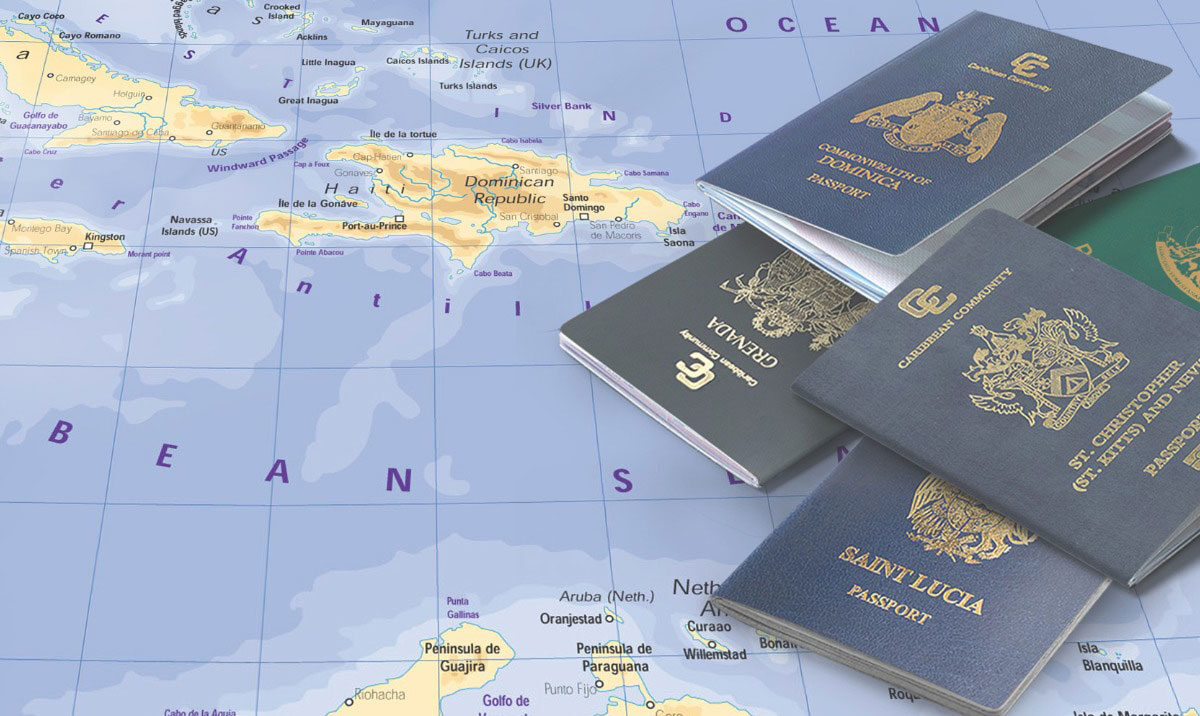
Five Caribbean nations currently offer well-structured, reputable citizenship by investment programs: Antigua & Barbuda, Dominica, Grenada, Saint Lucia, and St. Kitts & Nevis. Let’s explore what each of them brings to the table, so you can choose the best fit for your goals.


Antigua and Barbuda: A Family-Friendly Route to Citizenship

If you’re applying with your family, Antigua and Barbuda is one of the most cost-effective and inclusive second citizenship programs out there. The passport grants visa-free access to over 150 countries, including the UK, EU Schengen area, and more.

Why Choose Antigua and Barbuda:

  • Visa-free travel to 150+ destinations

  • No income or wealth tax for non-residents

  • Fast 3–4 month processing time

  • No relocation required

  • Dual citizenship is fully allowed

  • Include children, parents, grandparents, and even siblings

Investment Options (Updated August 2024):

  • NDF Contribution: From $230,000 for families of up to 4

  • University of West Indies Fund: From $260,000 for families of 6+

  • Real Estate: From $300,000 in government-approved properties

  • Business Investment: Starting at $1.5M (solo) or $400,000 per investor in a joint $5M project

Note: A 5-day visit is now required for passport renewal after 5 years. Virtual interviews are mandatory for applicants 16+.


Dominica: The World’s Most Affordable Second Citizenship

Dominica is known as one of the most affordable and straightforward citizenship programs on the market, especially for solo applicants. A single applicant can now secure citizenship for just $115,000, making it an accessible option for many professionals and entrepreneurs.

Key Highlights:

  • Visa-free or visa-on-arrival access to over 115 countries

  • No need to visit or live in Dominica

  • Tax exemptions for non-residents

  • Full confidentiality and dual citizenship allowed

  • Streamlined process with no interviews or language tests

Investment Options:

  • Economic Diversification Fund (EDF): From $115,000 for a single applicant

  • Real Estate Investment: Minimum $200,000 in approved projects

Dominica’s program is also known for its flexibility in including children, parents, and siblings—ideal for multigenerational families.


Grenada: The Only Caribbean Passport with U.S. E-2 Visa Access

Grenada offers a unique edge—it’s the only Caribbean country with an E-2 Investor Visa Treaty with the United States. This gives its citizens a path to live and run a business in the U.S., making it a powerful gateway for international entrepreneurs.

Why Choose Grenada:

  • Visa-free access to over 140 countries (including China)

  • Access to apply for the U.S. E-2 business visa

  • No residency or interview requirement

  • Inclusive of spouses, adult children, siblings, and parents

Investment Options:

  • NTF Donation: From $155,000 for a single applicant

  • Real Estate: Minimum $270,000 plus government fees

With transferable citizenship and long-term legacy benefits, Grenada is a solid option for investors seeking global flexibility and U.S. connectivity.


Saint Lucia: A Lifestyle Investment in Paradise

Saint Lucia stands out with its variety of investment options and lifestyle appeal. From beautiful beaches to solid infrastructure, the country combines luxury with opportunity.

Top Benefits:

  • Lifetime second citizenship

  • Visa-free travel to 130+ countries

  • No residency, language, or education requirements

  • Flexible family inclusion

Investment Options:

  • National Economic Fund (NEF): From $240,000 for a family of 4

  • Government Bonds: $300,000 (5-year hold)

  • Real Estate: $300,000 in approved properties

  • Enterprise Projects: From $3.5M solo or $6M joint venture

Whether you’re looking to invest in real estate or business, Saint Lucia allows you to tailor your investment path while enjoying the benefits of a peaceful island life.


St. Kitts and Nevis: The Caribbean’s Gold Standard

With the longest-running citizenship program in the region, St. Kitts and Nevis is known for its trustworthiness, high standards, and strong passport. Recent changes have modernized the program and increased its appeal to global investors.

Why It’s a Top Pick:

  • Visa-free access to over 155 countries

  • Fast processing in under 4 months

  • No income, wealth, or inheritance tax

  • Biometric passports valid for 10 years

  • Dual citizenship and lifetime status

Updated Investment Options (July 2024):

  • SISC (Sustainable Island State Contribution): $250,000 for a single or family of 4

  • Real Estate: $325,000 for resort shares or $600,000 for full ownership

  • PGIO (Public Good Investment Option): $250,000

Mandatory interviews and biometric submissions have recently been added to further enhance due diligence and global credibility.


Vanuatu: Fastest Route to Citizenship in the Pacific

While not part of the Caribbean, Vanuatu is often compared due to its streamlined second citizenship program and fast processing—often completed in just 30–60 days. A single applicant can now apply from $140,000, making it a quick and efficient option.

Why Vanuatu Appeals to Global Citizens:

  • Super-fast processing (30–60 days)

  • No residency or interview required

  • Visa-free access to 95+ countries

  • Tax-friendly with no income, wealth, or capital gains tax

  • Full confidentiality and dual citizenship

Although its visa-free reach is more limited than Caribbean programs, Vanuatu remains attractive for its speed and simplicity.


Ready to Begin Your Second Citizenship Journey?

Choosing the right second citizenship program is a life-changing decision. Whether you prioritize visa-free travel, investment returns, or family legacy planning, the Caribbean and Vanuatu offer tailored solutions to fit your goals.

At Adeniyi Associates, we specialize in guiding clients from Africa, Asia, and the Middle East through the full process—matching the best program to your unique situation, handling the paperwork, and ensuring a smooth, confidential application from start to finish.


Take your first step toward global freedom.
Visit www.adeniyiassociates.com today and book a free consultation.

St. Kitts & Nevis Second Citizenship by Investment: Crypto Now on the Table

St. Kitts & Nevis Opens Doors to Crypto in Their Second Citizenship Program

Have you ever thought about turning your cryptocurrency into something more… permanent? Like a new passport? Well, that idea just became a lot more real thanks to a major policy shift in St. Kitts & Nevis.

Big News from the Caribbean

St. Kitts & Nevis has updated its second citizenship program to now recognize cryptocurrency as part of an applicant’s declared source of wealth. While crypto can’t be used directly for payment just yet, it can now be factored into your financial profile—making the program more accessible to modern investors who hold digital assets like Bitcoin or Ethereum.

How It Works

Here’s what you need to know:

  • Cryptocurrency can be used as proof of wealth, but not for the actual investment payment (yet).

  • Applicants must provide full documentation, including proof of crypto ownership, source of funds, and valuation reports.

  • There’s an additional due diligence fee for those using crypto, as the authorities apply enhanced vetting procedures for digital assets.


More Flexibility for Families

Alongside the crypto policy, the program has also expanded who can support a citizenship application. Now, family members—specifically parents and children—can act as sponsors. As long as the relationship is verified with proper documents (like birth certificates), this makes it easier for families to support each other in their second passport journey.

Why It Matters

St. Kitts & Nevis has always been a popular choice in the Caribbean for those seeking a second passport. This latest move to include crypto in its wealth verification process keeps it at the forefront of innovation in the second citizenship program space.

It’s a clear signal that the country understands the evolving financial world and is ready to accommodate the next generation of global citizens.


Summary of Key Updates:

Feature Details
Crypto as Wealth Source Accepted (not for direct payment, but for wealth proof)
Documentation Required Ownership verification, valuation, source of funds
Additional Fees Enhanced due diligence for crypto holders
Family Sponsorship Allowed Parents and children can now sponsor applications

What This Means for You

If you’re a crypto investor looking for global mobility, this update opens a new door. It’s never been easier to incorporate your digital portfolio into a second citizenship program—and gain access to visa-free travel, better financial flexibility, and security for your family.

At Adeniyi Associates, we specialize in guiding professionals, entrepreneurs, and families through the process of securing a second passport in countries like St. Kitts & Nevis. Whether you’re holding traditional assets or growing your wealth in the crypto space, we help you navigate the journey smoothly and legally.


Ready to explore your options for a second citizenship?
Get in touch with our expert team today and take the first step toward global freedom.

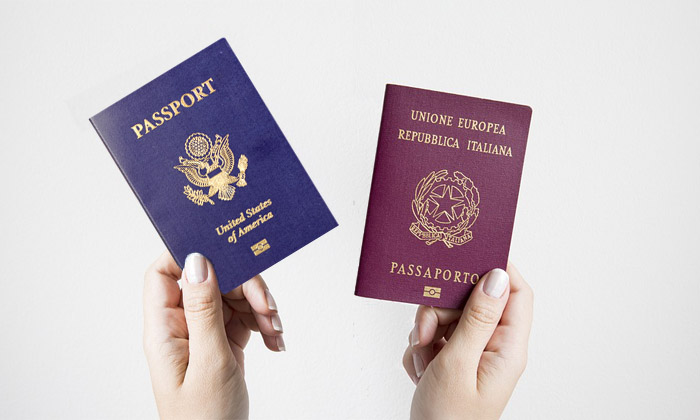
what is dual citizenship and how it differ from second passport?

Dual Citizenship vs. Second Passport: A Deeper Dive


We’ve established the core difference: dual citizenship is about official, mutual recognition of your legal status by two countries, while a “second passport” can simply mean holding a travel document from another country, without necessarily that same two-way recognition.

Let’s break that down with a bit more detail and some real-world context.


1. Dual Citizenship (Dual Nationality)

This is the most complete form of having ties to two nations.

  • How it Works: When you have dual citizenship, both Country A and Country B formally acknowledge you as their citizen. This isn’t just a nod; it’s written in their laws and often based on agreements or accepted international practices.
    • Example 1 (Birthright): Imagine you were born in the United States (which grants citizenship based on place of birth, jus soli), but your parents are citizens of France (which grants citizenship based on parentage, jus sanguinis). If both the US and France allow dual nationality (which they do), you can be a citizen of both from birth. Both countries know and accept this.
    • Example 2 (Naturalization): You’re a Canadian citizen, and you live in Ireland for many years. You apply for Irish citizenship through naturalization. If both Canada and Ireland allow dual citizenship (which they do), you can become an Irish citizen without giving up your Canadian citizenship. Both countries now recognize you as their own.


  • What it Means for You:
    • Full Rights & Obligations in Both: You can typically live, work, vote, own property, and access social services (like healthcare and education) in both countries. You are also expected to fulfill obligations like paying taxes (though tax treaties often prevent double taxation) and potentially military service in either country, depending on their laws.
    • Consular Protection: If you’re in a third country and need help, you can usually seek assistance from the embassy or consulate of either of your countries of citizenship.
    • Passport Usage: You can freely use either passport to enter or exit either country you’re a citizen of, and to travel to other countries.

In essence: You are genuinely “from” both places, legally speaking. You have a full, recognized identity in each.


2. Second Passport

This term is more about the document itself and the practical benefits it provides, rather than a deep, mutually recognized legal status.

  • How it Works: You might acquire a second passport in several ways, and the crucial point is often the recognition (or lack thereof) by your original country.
    • Scenario 1 (One-Way Recognition): Your original country (e.g., China, India) does not allow dual citizenship. If you naturalize in a second country and get their passport, your original country might consider you to have lost your original citizenship. You now have a “second passport,” but legally, your original country only sees you as a citizen of the new country. You can travel with your new passport, but you’re not a dual citizen in the eyes of your first country.
    • Scenario 2 (Practicality/Investment): You’re an Australian citizen. Australia allows dual citizenship. You decide to invest in a Citizenship by Investment (CBI) program in a Caribbean nation like St. Kitts & Nevis to gain a second passport with great visa-free travel. You now hold two passports. While Australia allows you to have another citizenship, the term “second passport” here often emphasizes the practical travel benefits or the means of acquisition (investment) rather than a deep, historic tie. You are technically a dual citizen, but the focus is on the utility of the additional passport.
    • Scenario 3 (Older/Less Formal Situations): In some historical or less formalized scenarios, people might have simply acquired a second passport through various means without a clear, mutual legal understanding between the two nations about their dual status.


  • What it Means for You:
    • Travel Mobility is Key: This is often the primary driver. A second passport can grant you visa-free access to many more countries than your primary passport, making international travel significantly easier and faster.
    • “Plan B” for Travel/Residence: It can offer an alternative route for travel or residence if your primary passport faces restrictions or if you need to quickly relocate from your home country due to unforeseen circumstances.
    • Consular Protection (Complex): This can be tricky. If your original country doesn’t recognize your second citizenship, they might still consider you their citizen when you’re in a third country. This could lead to complex situations regarding who provides consular assistance. When you’re in the country of your second passport, you are treated as their citizen.
    • Rights & Duties: In the country that issued the second passport, you typically have the rights associated with its citizens (like travel, often residency). However, if your original country doesn’t recognize your dual status, they might still hold you to their laws (e.g., taxes) even when you’re using your second passport elsewhere.


The Core Difference Illustrated:

  • If you have US & UK Dual Citizenship: When you’re in the US, you’re a US citizen. When you’re in the UK, you’re a UK citizen. Both countries know you have the other citizenship, and they both accept it.
  • If you have Chinese citizenship and obtain a St. Kitts & Nevis “second passport”: China does not recognize dual citizenship. In the eyes of China, once you became a St. Kitts & Nevis citizen, you likely lost your Chinese citizenship. You now have a St. Kitts & Nevis passport and can travel with it, but China only sees you as a foreigner if you try to return on that passport. You might have left China on your Chinese passport, but you can’t re-enter on it once you’re a citizen of another country.


In summary: While holding a “second passport” often implies a form of dual citizenship, the term “dual citizenship” specifically highlights the mutual, legal recognition of that status by both nations involved, leading to a more defined set of rights and obligations in each. A “second passport” can be a practical tool even when this full, bilateral recognition is absent.