
The Golden Ticket to Schengen: Maximizing Global Mobility with Your Portuguese Residency


The Golden Ticket to Schengen: Maximizing Global Mobility with Your Portuguese Residency

The world, as we know it, is in constant flux. Borders can harden, travel can become restricted, and global access, once taken for granted, can suddenly feel fragile. In such an unpredictable landscape, the dream of effortless global mobility isn’t just a luxury; for many, it’s a strategic imperative. This is where programs like the Portuguese Golden Visa emerge as more than just an investment opportunity – they become your golden ticket to unlocking unparalleled freedom.

I’ve spent years observing and assisting individuals navigate the complexities of global mobility. What’s clear to me is that the desire for fluidity, for the ability to move yourself, your family, and your assets across borders with ease, has never been stronger. It’s about securing a “Plan B,” yes, but more profoundly, it’s about proactively shaping a life without unnecessary limitations.

Portugal, with its strategic location, vibrant culture, and welcoming arms, has long been a beacon for this aspiration. While the Portuguese Golden Visa program has seen significant evolution, particularly with recent changes in investment routes, its core promise – that of granting robust global mobility – remains as compelling as ever. In fact, for those who truly value borderless living, the program’s redefined focus might even offer a clearer path to their goals.


The Enduring Allure of Global Mobility in 2025

Why is global mobility such a hot topic right now? Just think about the last few years. We’ve seen:

  • Geopolitical Shifts: Conflicts and political instability can arise anywhere, making a second base or unrestricted travel options incredibly valuable.
  • Pandemic-Era Lockdowns: The COVID-19 pandemic starkly reminded us how quickly national borders can slam shut, even for citizens. Having multiple travel documents became a lifeline for some.
  • Business Imperatives: For entrepreneurs, investors, and remote professionals, seamless travel is not a luxury; it’s a necessity for market access, client meetings, and global team collaboration.
  • Personal Freedom: Beyond business, it’s about visiting family, pursuing passions, or simply exploring the world without the constant hurdle of visa applications.

From my perspective, having advised numerous clients, the single biggest differentiator a second residency or citizenship offers is optionality. It’s the freedom to choose where you live, work, and travel, unconstrained by the limitations of a single passport or a single country’s policies. Even for those holding “strong” passports, unexpected restrictions can crop up, making a well-planned second residency an invaluable asset.


The Portuguese Golden Visa: Your Gateway to Schengen and Beyond

The most immediate and tangible benefit of securing a Portuguese Golden Visa is the access it grants. It’s not just about one country; it’s about a continent.


Schengen Access: The Crown Jewel

Let’s talk about the Schengen Area. For anyone unfamiliar, this is a vast zone comprising 27 European countries that have effectively abolished internal border controls. Think of it: once you’re in one Schengen country, you can travel freely across all others without passport checks. That means seamless movement between places like France, Germany, Italy, Spain, and many more, for up to 90 days within any 180-day period.

How does the Portuguese Golden Visa give you this? As a holder of a valid Portuguese residency permit (which the Golden Visa grants you), you gain the right to travel visa-free throughout the entire Schengen Area. This is a game-changer for many, particularly those from countries where obtaining individual Schengen visas is a time-consuming, often frustrating, process. No more endless paperwork, embassy visits, or uncertain waiting times. It’s direct, dignified access.


Beyond Schengen: Broader Horizons

While Schengen access is the immediate star, the global mobility benefits extend further. While the Golden Visa is initially a residency permit (not a passport), it lays the groundwork for ultimate mobility. After maintaining your Golden Visa residency for five years and meeting certain criteria, you become eligible to apply for Portuguese citizenship. Once you secure that Portuguese passport, your visa-free travel opportunities expand dramatically to over 180 countries worldwide, including major economic hubs and tourist destinations across the globe. This represents the ultimate mobility upgrade.


The Operational Advantage for Business & Leisure

The ease of travel facilitated by the Portuguese residency, and later citizenship, translates into significant operational advantages:

  • For Entrepreneurs: Quick access to European markets, potential partnerships, and networking events without logistical headaches.
  • For Remote Workers: The flexibility to explore different European cities, enjoying diverse cultures while maintaining professional commitments.
  • For Families: Spontaneous weekend getaways across Europe become effortless, enriching cultural experiences for children and creating lasting memories without bureaucratic hurdles.

The simple fact is, reduced travel friction means less stress, more opportunities, and a truly expanded personal and professional landscape.


Navigating the New Landscape: Investment Options for Global Mobility

It’s crucial to acknowledge the significant changes the Portuguese Golden Visa program underwent in October 2023 with Law 56/2023. The popular direct real estate acquisition and capital transfer options for visa purposes were phased out. This shift means the program is no longer solely about property; it’s now firmly focused on more active and impactful investments within Portugal.

For those whose primary goal is still global mobility, the program continues to offer robust pathways:

  • Investment Funds (Fund of Funds): This has emerged as the most popular and viable route for many. It involves a minimum capital transfer of €500,000 for the acquisition of units in investment funds or venture capital funds dedicated to the capitalization of companies. These funds are professionally managed, offering diversification across various Portuguese businesses and industries. This route allows you to combine your mobility goals with a potentially attractive financial return, overseen by experienced fund managers. It’s a hands-off approach to investing in the Portuguese economy.
  • Creation of Jobs/Company: Establishing a company in Portugal that creates or maintains at least 10 full-time jobs for Portuguese citizens (or 8 jobs in low-density areas) is another direct route. This is ideal for entrepreneurs looking to establish a physical presence and contribute to the local economy.
  • Cultural Production/Restoration: A capital transfer of at least €250,000 for investment or support in artistic production, or the recovery or maintenance of national cultural heritage. This offers a unique way to contribute to Portugal’s rich cultural legacy.
  • Scientific Research: A capital transfer of at least €500,000 for investment in research activities carried out by public or private scientific research institutions, integrated into the national scientific and technological system.

These updated routes underscore Portugal’s commitment to attracting investments that genuinely contribute to its economic and cultural development, moving beyond passive real estate speculation. When considering the Portuguese Golden Visa, it’s vital to choose an investment route that aligns not only with your mobility goals but also your broader investment strategy.

The Path to Portuguese Citizenship: The Ultimate Mobility Upgrade

It’s important to remember that the Portuguese Golden Visa initially grants you a temporary residency permit. However, this permit is your direct pathway to full Portuguese (and by extension, EU) citizenship, which is where the ultimate global mobility really kicks in.

The journey typically looks like this:

  1. Year 1-5: Golden Visa Residency: You maintain your residency by fulfilling minimal stay requirements (averaging 7 days per year) and maintaining your chosen investment.
  2. After 5 Years: Eligibility for Citizenship: Upon completing five years as a legal resident, you become eligible to apply for Portuguese citizenship.
  3. Language Proficiency: A key requirement for citizenship is demonstrating basic proficiency in Portuguese (A2 level on the CEFR scale). This is a foundational step towards integrating into Portuguese society.
  4. Clean Record: You must also have a clean criminal record.

The difference between residency and full citizenship is profound. While residency offers Schengen travel, Portuguese citizenship provides:

  • The Right to Live, Work, and Study Anywhere in the EU: This is arguably the most significant benefit, opening up countless opportunities across all 27 EU member states.
  • Full Consular Protection: As a Portuguese citizen, you gain the protection of Portuguese embassies and consulates worldwide.
  • Voting Rights: The ability to participate in Portuguese and EU elections.
  • Citizenship for Descendants: Your Portuguese citizenship can be passed down to future generations, creating a lasting legacy of global mobility for your family.

This transformation from investor to EU citizen truly makes the Portuguese Golden Visa a long-term strategy for comprehensive global mobility and security.


Beyond Mobility: The Broader Benefits of a Portuguese Connection

While global mobility is a key driver, the Portuguese Golden Visa offers a wealth of other benefits that make Portugal an attractive destination for residency:

  • Exceptional Quality of Life: Portugal consistently ranks high for safety, climate, and quality of living. Its charming cities, beautiful coastline, and delicious cuisine offer an enviable lifestyle.
  • EU Membership Advantages: Beyond travel, being part of the EU means access to high-quality healthcare, education systems, and economic stability.
  • Favorable Tax Regimes (Historically): While the Non-Habitual Resident (NHR) tax regime has seen significant changes for new applicants, Portugal continues to offer attractive tax conditions for certain income streams, making it a compelling option for those planning their finances. It’s important to consult with a tax expert for the latest rules.
  • Rich Cultural Heritage: Portugal boasts thousands of years of history, vibrant arts, and a welcoming, hospitable people. Integrating into this culture is a rewarding experience.
  • Strategic Location: Positioned as a gateway to Europe, Africa, and the Americas, Portugal offers unparalleled connectivity for international travel and business.


Why Expertise Matters in a Changing Landscape

The evolution of the Portuguese Golden Visa program, particularly the recent shift away from direct real estate investment, means that navigating the application process requires more nuanced expertise than ever before. Choosing the right investment fund, understanding the due diligence process, and preparing for the citizenship application five years down the line are complex tasks that demand professional guidance.

This is where an experienced partner becomes invaluable. At Adeniyi Associates (www.adeniyiassociates.com), we pride ourselves on staying ahead of these changes, providing precise, up-to-date advice, and simplifying what can otherwise be an overwhelming journey. Our role is to ensure your application is seamless, compliant, and ultimately successful, allowing you to focus on the exciting prospect of your enhanced global freedom.


Conclusion: Your Golden Ticket Awaits

The Portuguese Golden Visa remains a uniquely powerful tool for individuals and families seeking to maximize their global mobility. Despite the evolution of its investment options, its core promise of providing a direct pathway to Schengen access and, eventually, full EU citizenship, stands strong. It’s an investment not just in a passport, but in optionality, security, and a future unbounded by restrictive borders.

Ready to unlock your golden ticket to Europe and beyond?

Contact Adeniyi Associates today for a personalized consultation. Let us help you navigate the new landscape of the Portuguese Golden Visa and secure your place in a world without limits.

what is dual citizenship and how it differ from second passport?

Dual Citizenship vs. Second Passport: A Deeper Dive


We’ve established the core difference: dual citizenship is about official, mutual recognition of your legal status by two countries, while a “second passport” can simply mean holding a travel document from another country, without necessarily that same two-way recognition.

Let’s break that down with a bit more detail and some real-world context.


1. Dual Citizenship (Dual Nationality)

This is the most complete form of having ties to two nations.

  • How it Works: When you have dual citizenship, both Country A and Country B formally acknowledge you as their citizen. This isn’t just a nod; it’s written in their laws and often based on agreements or accepted international practices.
    • Example 1 (Birthright): Imagine you were born in the United States (which grants citizenship based on place of birth, jus soli), but your parents are citizens of France (which grants citizenship based on parentage, jus sanguinis). If both the US and France allow dual nationality (which they do), you can be a citizen of both from birth. Both countries know and accept this.
    • Example 2 (Naturalization): You’re a Canadian citizen, and you live in Ireland for many years. You apply for Irish citizenship through naturalization. If both Canada and Ireland allow dual citizenship (which they do), you can become an Irish citizen without giving up your Canadian citizenship. Both countries now recognize you as their own.


  • What it Means for You:
    • Full Rights & Obligations in Both: You can typically live, work, vote, own property, and access social services (like healthcare and education) in both countries. You are also expected to fulfill obligations like paying taxes (though tax treaties often prevent double taxation) and potentially military service in either country, depending on their laws.
    • Consular Protection: If you’re in a third country and need help, you can usually seek assistance from the embassy or consulate of either of your countries of citizenship.
    • Passport Usage: You can freely use either passport to enter or exit either country you’re a citizen of, and to travel to other countries.

In essence: You are genuinely “from” both places, legally speaking. You have a full, recognized identity in each.


2. Second Passport

This term is more about the document itself and the practical benefits it provides, rather than a deep, mutually recognized legal status.

  • How it Works: You might acquire a second passport in several ways, and the crucial point is often the recognition (or lack thereof) by your original country.
    • Scenario 1 (One-Way Recognition): Your original country (e.g., China, India) does not allow dual citizenship. If you naturalize in a second country and get their passport, your original country might consider you to have lost your original citizenship. You now have a “second passport,” but legally, your original country only sees you as a citizen of the new country. You can travel with your new passport, but you’re not a dual citizen in the eyes of your first country.
    • Scenario 2 (Practicality/Investment): You’re an Australian citizen. Australia allows dual citizenship. You decide to invest in a Citizenship by Investment (CBI) program in a Caribbean nation like St. Kitts & Nevis to gain a second passport with great visa-free travel. You now hold two passports. While Australia allows you to have another citizenship, the term “second passport” here often emphasizes the practical travel benefits or the means of acquisition (investment) rather than a deep, historic tie. You are technically a dual citizen, but the focus is on the utility of the additional passport.
    • Scenario 3 (Older/Less Formal Situations): In some historical or less formalized scenarios, people might have simply acquired a second passport through various means without a clear, mutual legal understanding between the two nations about their dual status.


  • What it Means for You:
    • Travel Mobility is Key: This is often the primary driver. A second passport can grant you visa-free access to many more countries than your primary passport, making international travel significantly easier and faster.
    • “Plan B” for Travel/Residence: It can offer an alternative route for travel or residence if your primary passport faces restrictions or if you need to quickly relocate from your home country due to unforeseen circumstances.
    • Consular Protection (Complex): This can be tricky. If your original country doesn’t recognize your second citizenship, they might still consider you their citizen when you’re in a third country. This could lead to complex situations regarding who provides consular assistance. When you’re in the country of your second passport, you are treated as their citizen.
    • Rights & Duties: In the country that issued the second passport, you typically have the rights associated with its citizens (like travel, often residency). However, if your original country doesn’t recognize your dual status, they might still hold you to their laws (e.g., taxes) even when you’re using your second passport elsewhere.


The Core Difference Illustrated:

  • If you have US & UK Dual Citizenship: When you’re in the US, you’re a US citizen. When you’re in the UK, you’re a UK citizen. Both countries know you have the other citizenship, and they both accept it.
  • If you have Chinese citizenship and obtain a St. Kitts & Nevis “second passport”: China does not recognize dual citizenship. In the eyes of China, once you became a St. Kitts & Nevis citizen, you likely lost your Chinese citizenship. You now have a St. Kitts & Nevis passport and can travel with it, but China only sees you as a foreigner if you try to return on that passport. You might have left China on your Chinese passport, but you can’t re-enter on it once you’re a citizen of another country.


In summary: While holding a “second passport” often implies a form of dual citizenship, the term “dual citizenship” specifically highlights the mutual, legal recognition of that status by both nations involved, leading to a more defined set of rights and obligations in each. A “second passport” can be a practical tool even when this full, bilateral recognition is absent.

Why Dominica’s Citizenship by Investment Program Stands Out

Why Dominica’s Citizenship by Investment Program Stands Out

Dreaming of expanded global mobility, a secure future for your family, and smart financial planning? Then you absolutely need to look at Dominica’s Citizenship by Investment (CBI) program. Often celebrated as one of the most advantageous and accessible options available today, Dominica offers a unique blend of benefits that truly make it an exceptional choice for discerning investors like you.

When clients come to us at adeniyi associates, exploring their options for a second passport, Dominica Citizenship by Investment consistently shines. It’s not just about getting a new document; it’s about unlocking a world of opportunities and securing genuine peace of mind with a program known for its stability and integrity.

So, what exactly makes Dominica’s program a cut above the rest? Let’s dive in.


The Dominica Advantage: Key Benefits That Set It Apart

Dominica’s CBI program is much more than a transaction; it’s a strategic investment in a global future. Here’s why it consistently ranks among the best:


Unmatched Affordability & Unbeatable Value

Let’s start with what often catches people’s eye first: the cost. Dominica holds the reputation as one of the most affordable citizenship by investment programs in the world. With a reputable second passport starting at just USD $115,000 for a single applicant under the government fund option, it offers astounding value that’s hard to beat compared to other programs in the region. This isn’t just cheap; it’s smart value.


Beyond Borders: Extensive Visa-Free Travel

A Dominica passport is your key to significantly enhanced international mobility for both business and leisure. It grants visa-free or visa-on-arrival access to over 140 countries, including powerhouses like the entire European Union (Schengen Area), Switzerland, the UK, Singapore, Russia, Brazil, and Hong Kong. Imagine the ease of travel!


Freedom to Live & Move: No Residency Required

This is a huge one for busy international individuals. The Dominica CBI program has no physical residency requirement whatsoever. You are not obligated to visit the country to obtain citizenship, nor are you required to live on the island to maintain your citizenship later. This means ultimate flexibility for your global lifestyle.


Privacy & Peace of Mind: Full Dual Citizenship Recognition

Dominica fully recognizes dual citizenship, which means you are not required to renounce your existing nationality to become a citizen. Plus, the entire process is conducted with utmost confidentiality, ensuring no public disclosure of successful applicants’ names. Your privacy is respected.


Smart Money: Favorable Tax Regime

For non-residents, Dominica offers an incredibly attractive tax-free status on all foreign income and capital gains. There are no inheritance or wealth taxes either. This provides significant advantages for global wealth protection and optimization strategies.


A Future for Everyone: Broad Family Inclusion

Dominica’s program is incredibly family-friendly. It allows for the inclusion of a wide range of family members, making it a comprehensive solution for your loved ones. This includes:

  • A spouse
  • Children up to 30 years old (if financially dependent and in full-time education)
  • Physically or mentally challenged children over 18
  • Parents or grandparents over 55 (if financially dependent)
  • Even newborn children can be added post-citizenship with a small fee.


Streamlined Simplicity: Minimal Formalities

Unlike some other programs, Dominica keeps the process straightforward. There are no language tests, no business experience requirements, and no mandatory interviews for the main applicant, though interviews may be requested at the CBIU’s discretion as part of their robust due diligence.


A Legacy for Life: Irrevocable Citizenship & Renewability

Once granted, your Dominica citizenship is irrevocable and for life. It’s transferable to future generations by descent, securing a legacy for your family. Passports are initially valid for ten years (five for children under 16) and can be renewed for life for a small fee at any Dominican consulate or embassy worldwide.


Your Investment Pathways

Dominica offers two main investment routes to obtain citizenship, catering to different financial preferences:

  1. Economic Diversification Fund (EDF) Contribution:
    • This is a non-refundable monetary contribution to a government fund that finances public and private sector projects to support national development.
    • Minimum contribution:
      • USD $115,000 for a single applicant.
    • This option is generally cheaper upfront, especially for individuals. Crucially, your funds are held in escrow until your application receives approval in principle.
  2. Real Estate Investment:
    • Applicants can purchase government-approved real estate with a minimum value of USD $200,000.
    • The property must be maintained for a minimum of three years. If held for five years, it can be re-sold under the CBI program to another applicant.
    • This option offers the significant advantage of being a potentially recoverable investment, meaning you could recoup your initial capital after the holding period, making the net cost of citizenship very low or even negligible over time. Approved projects often include luxury resorts offering fractional ownership.


The Application Journey: Secure & Transparent

The process for acquiring Dominica citizenship by investment is designed to be streamlined and secure:

  • Authorized Agents are Your Key: Applications must be submitted through a CBIU-authorized agent. These trusted professionals guide you through every step, from meticulous document preparation to liaising directly with government officials.
  • Gold Standard Due Diligence: Dominica maintains an exemplary standard of due diligence. A comprehensive background check is performed on all applicants over 18 by a private investigative agency. This ensures that only credible individuals with no criminal record and legally derived funds are accepted, safeguarding the program’s integrity and your passport’s value.
  • Protecting Your Investment: Approval First! A unique and highly protective feature of Dominica’s program is that the full investment is only required after you receive an “Approval in Principle” from the CBIU. This means your significant financial commitment is not made until your application is provisionally approved, adding a crucial layer of security for you.
  • Rapid Processing & Passport Issuance: Once the investment is verified, you will be promptly issued a Certificate of Naturalization and receive your Dominica passport, often within a week of final approval. The entire process, from submission to passport, typically takes as little as four to six months.


A Human Touch: The “Nature Isle” Bonus

While the primary drive for CBI is often practical, Dominica offers a beautiful bonus: the country itself. Known as the “Nature Isle of the Caribbean,” it boasts stunning volcanic landscapes, lush rainforests, pristine rivers, and incredible biodiversity. For those who choose to visit or even relocate, it offers a peaceful, laid-back atmosphere with a warm, welcoming local population, making it a truly attractive place to connect with.


Your Future, Unbounded

Dominica’s CBI program is more than just a transaction; it’s a strategic investment in global freedom, financial security, and a brighter future for you and your family. With its unmatched affordability, efficient processing, extensive visa-free travel, strong commitment to privacy, and the unique safeguard of investing only after approval, Dominica truly offers an unparalleled opportunity to diversify your political risk and embrace a world without borders.

Are you ready to take the first step towards your new future? Don’t navigate this significant decision alone. At Adeniyi Associates, we specialize in guiding individuals and families through the intricacies of CBI programs, including Dominica’s. Our expertise ensures a smooth, secure, and successful application process tailored to your unique needs.

Contact Adeniyi Associates today for a confidential consultation. Let’s discuss how Dominica’s program can unlock your next chapter of global opportunity.

Is a Second Citizenship Worth in 2025?

Is a Second Citizenship Your Ultimate Insurance Policy in a Changing World?

In today’s increasingly unpredictable world, a quiet worry is growing among many individuals. It’s the concern that their home countries might, at some point, introduce restrictions – things like taxing you just for being a citizen, no matter where you live, or slapping on travel bans, or even, in more extreme scenarios, military conscription. This growing awareness highlights a stark truth: relying on just one citizenship comes with inherent risks. That’s why a concept called Citizenship by Investment (CBI) has really taken off, especially in the offshore community.

CBI is essentially a process where you invest – or, more commonly, donate – a significant sum of money to certain countries, and in return, you’re granted their citizenship. Now, let’s be clear, the costs aren’t trivial. They’re substantial and seem to be constantly climbing, starting from around $250,000 and potentially reaching $1 million for the more sought-after programs. But for many, the question isn’t about the price tag alone; it’s whether a second passport truly delivers enough value to justify that investment in 2025 and beyond.

Let’s unpack the compelling reasons why people are looking down this path.


Why Consider a Second Citizenship? The Unseen Advantages

The perks of getting a second citizenship stretch far beyond simply making travel a bit easier. It’s about building a robust personal and financial fortress.


Breaking Free from Citizenship-Based Taxation (Especially for US Citizens)

For my American friends, this is a big one. The U.S. stands almost alone in the world with its citizenship-based taxation. What this means is, even if you live outside the States, Uncle Sam still expects you to pay taxes on all your global income and jump through a lot of reporting hoops. If you’re not planning to live in the U.S., this can feel like holding “one of the worst citizenships,” which is why many U.S. expats consider renouncing it. A CBI program can be the quickest way to get that crucial alternative citizenship before you renounce. Plus, American citizens often face headaches trying to open offshore bank accounts because of the reporting burden banks take on when dealing with them.

Unlocking Global Mobility for All Passports

While the travel benefits are obvious for those starting with “lower-tier passports” (like from India or Pakistan) who desperately need better visa-free access globally, CBI programs can offer truly significant upgrades. Many Caribbean CBI programs, for instance, open doors to the entire Schengen Area without a visa. But here’s a crucial point: you’ve got to pick your program wisely. Some might lose their visa-free access down the line if they don’t maintain rigorous due diligence standards.

The Ultimate Insurance Policy Against Future Risks

Perhaps the most powerful argument for a second citizenship, even for those lucky enough to hold “good passports” like Finland (which is usually among the best for travel), is the idea of it being an “insurance policy.” It gives you vital options if your home country hits a rough patch.

  • The Specter of Citizenship-Based Taxation: Let’s face it, some heavily indebted Western countries, like the UK, Canada, and Australia, are really struggling with their finances. When simply raising taxes doesn’t bring in enough cash, there’s a genuine worry they might look at imposing and actually enforcing citizenship-based taxation to stop wealthy citizens from leaving their tax systems. The whisper on the street is that the UK has already seen a 10% drop in capital gains receipts because some wealthy folks have already left.
  • Mandatory Military Conscription: For citizens of countries with compulsory military service, like Finland, a second citizenship offers an escape route if geopolitical tensions really flare up. Having dual nationality means you have the option to renounce your original citizenship if the security situation deteriorates, helping you avoid forced conscription.
  • Governmental Overreach and Travel Bans: The COVID-19 pandemic gave us a stark, unforgettable lesson: some Western governments aren’t always “on your side.” Remember Australian citizens explicitly being barred from leaving their own country? A second travel document becomes a vital backup in such nightmare scenarios.

Expanding Investment and Business Horizons

A second citizenship isn’t just about personal freedom; it can unlock exclusive investment and business opportunities. In many countries, like Indonesia (not a CBI country itself, but a good example), land ownership and certain business ventures are restricted to citizens. Imagine a foreigner trying to open a company in Indonesia, often needing a minimum of nearly $600,000 in paid-up capital. Countries that do offer CBI, like Cambodia, might have similar restrictions where citizenship grants you full rights and access to investment and business opportunities. What’s more, holding a passport from a specific region, like an ASEAN or Latin American (Mercosur) passport, can give you broad benefits and the right to live and travel across multiple countries within that entire region. It’s like a regional master key!


Is CBI Right for You? Weighing the Investment

Given the significant costs involved, deciding on a second passport is far from a trivial choice. It truly comes down to how much you value these unique benefits.


Not for Everyone, But Increasingly Essential for Some:

Let’s be real: if your entire net worth is $250,000, spending all of it on a passport probably isn’t the wisest move. However, if you’re stuck with a “very bad passport,” the immediate travel benefits alone could make that $250,000 investment “very much worth it.” For those of us with “Western passports” and decent travel access, it might make more sense to consider a second citizenship later, when your net worth is “very, very high.”

The “Insurance Policy” Analogy:

Think of a second passport exactly like an insurance policy. The higher the risks you’re trying to protect yourself against (like potential citizenship-based taxation or a military draft), the more you might be willing to pay for this unique form of insurance. Frankly, if your net worth is above $1 million, and absolutely if it’s over $2 million, allocating 5-20% of that as a one-time payment for a lifetime insurance policy can be “a very worthwhile thing to do.” In fact, once your net worth hits the $2-5 million mark, it’s considered “almost insane not to do it.” It really is that crucial for high-net-worth individuals.

Act Now: Programs Are Disappearing and Costs Are Rising:

Here’s a stark reality: CBI programs tend to get more expensive over time, and many are simply vanishing. Take Malta’s Citizenship by Investment program, for example. The EU recently declared it “illegal,” leading to its cancellation. But those who secured Maltese citizenship before that decision? They keep it for life. This really hammers home the urgency of pursuing these programs while they’re still on the table. In the future, there will likely be “fewer and fewer of them out there.”

Taking the Next Step

Navigating the intricate world of CBI programs isn’t a DIY project. There are so many “behind-the-scenes details” unique to each program that you just wouldn’t consider without speaking to an expert. Given the significant financial investment you’re making, it is “absolutely worth it to use expert advice and to use an expert’s help” to ensure a smooth, secure, and successful process.

In a world that’s constantly shifting beneath our feet, having a second citizenship offers a vital layer of security and optionality. It provides that essential peace of mind and opens doors to a much broader range of global opportunities.

A New Chapter for Caribbean Citizenship: What You Need to Know About Upcoming Changes

A New Chapter for Caribbean Citizenship: What You Need to Know About Upcoming Changes

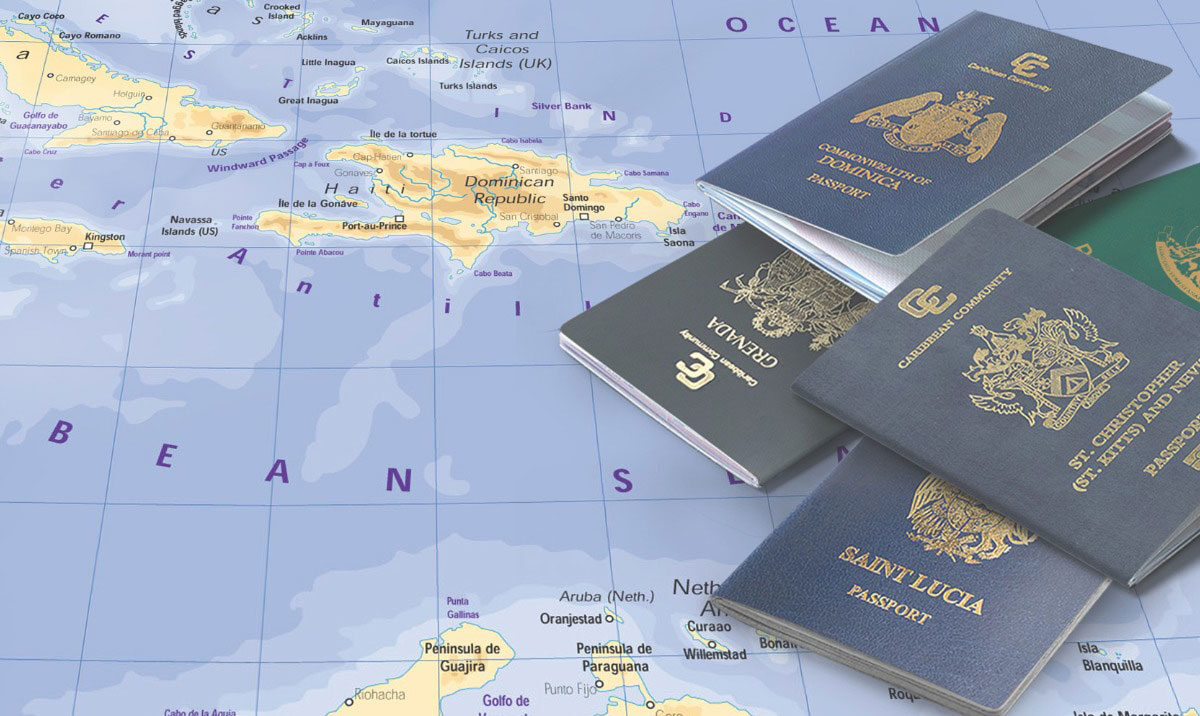
If you’ve been considering a second citizenship in the beautiful Caribbean, there are some important and positive changes on the horizon. Five of the region’s nations are coming together to enhance their highly respected Citizenship by Investment (CBI) programs, and we’re here to walk you through what this means for you.

The governments of Antigua and Barbuda, Dominica, Grenada, Saint Kitts and Nevis, and Saint Lucia are proposing a thoughtful evolution of their CBI programs. This isn’t about making things more difficult; it’s about strengthening the integrity and long-term value of your investment and new citizenship.


So, what’s new?

One of the most discussed updates is the introduction of a modest residency requirement. The proposal suggests a 30-day stay in your new home country, spread out over five years. Think of it as the perfect excuse to spend some quality time in paradise, getting to know the culture, the people, and the stunning landscapes of your new nation. Currently, only Antigua and Barbuda has a similar, though shorter, requirement.

To truly welcome you into their national family, these countries are also planning to introduce integration programs. These are designed to be an engaging way for you and your family to connect with your new country’s unique history, laws, and civic life. It’s an opportunity to build a genuine connection to your new home.

In a move towards sustainable growth, the nations are also considering annual caps on the number of applications they accept. This is a positive step that prioritizes the quality of the programs and ensures that each new citizen is a valued addition to the community. It’s a shift from quantity to quality, which ultimately enhances the prestige of the citizenship you’ll hold.


A Unified Approach for a Stronger Future

To ensure these changes are implemented smoothly and consistently, the five nations are creating a new regional body: the Eastern Caribbean Citizenship by Investment Regulatory Authority (EC CIRA). This shows a real commitment to collaboration and to maintaining the highest standards across the board.

These proposed changes are a direct and proactive response to feedback from the international community, including the United States and the European Union. By strengthening security and due diligence, these Caribbean nations are ensuring their CBI programs remain among the most reputable and sought-after in the world.


What This Means for Future Applicants

For those of us looking to embark on this journey, it means a more robust and meaningful process. We can expect enhanced due diligence and the introduction of personal interviews for applicants and their families. Initially, your new passport will be valid for five years, with a straightforward renewal process once you’ve met the new requirements.

This is an exciting time for Caribbean citizenship. These forward-thinking changes are designed to protect and enhance the value of your investment, ensuring that a Caribbean passport remains a powerful tool for global mobility and a source of pride for generations to come.

Our team at Adeniyi & Associates is following these developments closely, and we’re here to guide you through every step of the process. We believe these changes will make the journey to Caribbean citizenship even more rewarding.

Disclaimer: This article is for informational purposes only and does not constitute legal advice. Please contact us for a personalized consultation.