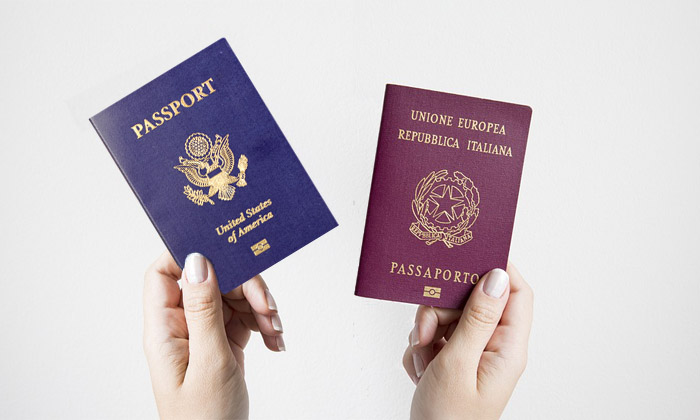
what is dual citizenship and how it differ from second passport?

Dual Citizenship vs. Second Passport: A Deeper Dive


We’ve established the core difference: dual citizenship is about official, mutual recognition of your legal status by two countries, while a “second passport” can simply mean holding a travel document from another country, without necessarily that same two-way recognition.

Let’s break that down with a bit more detail and some real-world context.


1. Dual Citizenship (Dual Nationality)

This is the most complete form of having ties to two nations.

  • How it Works: When you have dual citizenship, both Country A and Country B formally acknowledge you as their citizen. This isn’t just a nod; it’s written in their laws and often based on agreements or accepted international practices.
    • Example 1 (Birthright): Imagine you were born in the United States (which grants citizenship based on place of birth, jus soli), but your parents are citizens of France (which grants citizenship based on parentage, jus sanguinis). If both the US and France allow dual nationality (which they do), you can be a citizen of both from birth. Both countries know and accept this.
    • Example 2 (Naturalization): You’re a Canadian citizen, and you live in Ireland for many years. You apply for Irish citizenship through naturalization. If both Canada and Ireland allow dual citizenship (which they do), you can become an Irish citizen without giving up your Canadian citizenship. Both countries now recognize you as their own.


  • What it Means for You:
    • Full Rights & Obligations in Both: You can typically live, work, vote, own property, and access social services (like healthcare and education) in both countries. You are also expected to fulfill obligations like paying taxes (though tax treaties often prevent double taxation) and potentially military service in either country, depending on their laws.
    • Consular Protection: If you’re in a third country and need help, you can usually seek assistance from the embassy or consulate of either of your countries of citizenship.
    • Passport Usage: You can freely use either passport to enter or exit either country you’re a citizen of, and to travel to other countries.

In essence: You are genuinely “from” both places, legally speaking. You have a full, recognized identity in each.


2. Second Passport

This term is more about the document itself and the practical benefits it provides, rather than a deep, mutually recognized legal status.

  • How it Works: You might acquire a second passport in several ways, and the crucial point is often the recognition (or lack thereof) by your original country.
    • Scenario 1 (One-Way Recognition): Your original country (e.g., China, India) does not allow dual citizenship. If you naturalize in a second country and get their passport, your original country might consider you to have lost your original citizenship. You now have a “second passport,” but legally, your original country only sees you as a citizen of the new country. You can travel with your new passport, but you’re not a dual citizen in the eyes of your first country.
    • Scenario 2 (Practicality/Investment): You’re an Australian citizen. Australia allows dual citizenship. You decide to invest in a Citizenship by Investment (CBI) program in a Caribbean nation like St. Kitts & Nevis to gain a second passport with great visa-free travel. You now hold two passports. While Australia allows you to have another citizenship, the term “second passport” here often emphasizes the practical travel benefits or the means of acquisition (investment) rather than a deep, historic tie. You are technically a dual citizen, but the focus is on the utility of the additional passport.
    • Scenario 3 (Older/Less Formal Situations): In some historical or less formalized scenarios, people might have simply acquired a second passport through various means without a clear, mutual legal understanding between the two nations about their dual status.


  • What it Means for You:
    • Travel Mobility is Key: This is often the primary driver. A second passport can grant you visa-free access to many more countries than your primary passport, making international travel significantly easier and faster.
    • “Plan B” for Travel/Residence: It can offer an alternative route for travel or residence if your primary passport faces restrictions or if you need to quickly relocate from your home country due to unforeseen circumstances.
    • Consular Protection (Complex): This can be tricky. If your original country doesn’t recognize your second citizenship, they might still consider you their citizen when you’re in a third country. This could lead to complex situations regarding who provides consular assistance. When you’re in the country of your second passport, you are treated as their citizen.
    • Rights & Duties: In the country that issued the second passport, you typically have the rights associated with its citizens (like travel, often residency). However, if your original country doesn’t recognize your dual status, they might still hold you to their laws (e.g., taxes) even when you’re using your second passport elsewhere.
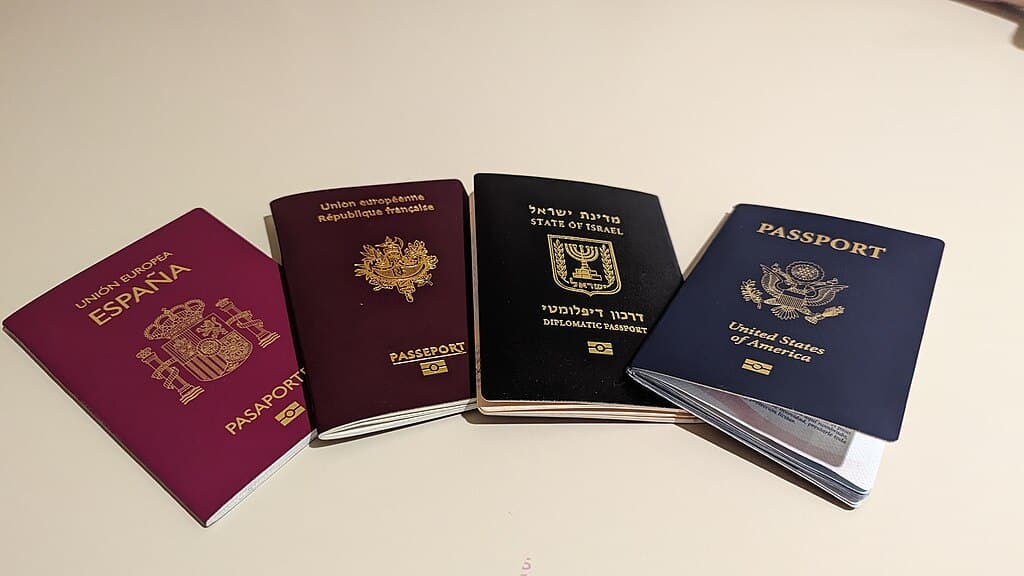


The Core Difference Illustrated:

  • If you have US & UK Dual Citizenship: When you’re in the US, you’re a US citizen. When you’re in the UK, you’re a UK citizen. Both countries know you have the other citizenship, and they both accept it.
  • If you have Chinese citizenship and obtain a St. Kitts & Nevis “second passport”: China does not recognize dual citizenship. In the eyes of China, once you became a St. Kitts & Nevis citizen, you likely lost your Chinese citizenship. You now have a St. Kitts & Nevis passport and can travel with it, but China only sees you as a foreigner if you try to return on that passport. You might have left China on your Chinese passport, but you can’t re-enter on it once you’re a citizen of another country.


In summary: While holding a “second passport” often implies a form of dual citizenship, the term “dual citizenship” specifically highlights the mutual, legal recognition of that status by both nations involved, leading to a more defined set of rights and obligations in each. A “second passport” can be a practical tool even when this full, bilateral recognition is absent.


Why Dominica’s Citizenship by Investment Program Stands Out

Why Dominica’s Citizenship by Investment Program Stands Out

Dreaming of expanded global mobility, a secure future for your family, and smart financial planning? Then you absolutely need to look at Dominica’s Citizenship by Investment (CBI) program. Often celebrated as one of the most advantageous and accessible options available today, Dominica offers a unique blend of benefits that truly make it an exceptional choice for discerning investors like you.

When clients come to us at adeniyi associates, exploring their options for a second passport, Dominica Citizenship by Investment consistently shines. It’s not just about getting a new document; it’s about unlocking a world of opportunities and securing genuine peace of mind with a program known for its stability and integrity.

So, what exactly makes Dominica’s program a cut above the rest? Let’s dive in.


The Dominica Advantage: Key Benefits That Set It Apart

Dominica’s CBI program is much more than a transaction; it’s a strategic investment in a global future. Here’s why it consistently ranks among the best:


Unmatched Affordability & Unbeatable Value

Let’s start with what often catches people’s eye first: the cost. Dominica holds the reputation as one of the most affordable citizenship by investment programs in the world. With a reputable second passport starting at just USD $115,000 for a single applicant under the government fund option, it offers astounding value that’s hard to beat compared to other programs in the region. This isn’t just cheap; it’s smart value.


Beyond Borders: Extensive Visa-Free Travel

A Dominica passport is your key to significantly enhanced international mobility for both business and leisure. It grants visa-free or visa-on-arrival access to over 140 countries, including powerhouses like the entire European Union (Schengen Area), Switzerland, the UK, Singapore, Russia, Brazil, and Hong Kong. Imagine the ease of travel!


Freedom to Live & Move: No Residency Required

This is a huge one for busy international individuals. The Dominica CBI program has no physical residency requirement whatsoever. You are not obligated to visit the country to obtain citizenship, nor are you required to live on the island to maintain your citizenship later. This means ultimate flexibility for your global lifestyle.


Privacy & Peace of Mind: Full Dual Citizenship Recognition

Dominica fully recognizes dual citizenship, which means you are not required to renounce your existing nationality to become a citizen. Plus, the entire process is conducted with utmost confidentiality, ensuring no public disclosure of successful applicants’ names. Your privacy is respected.


Smart Money: Favorable Tax Regime

For non-residents, Dominica offers an incredibly attractive tax-free status on all foreign income and capital gains. There are no inheritance or wealth taxes either. This provides significant advantages for global wealth protection and optimization strategies.


A Future for Everyone: Broad Family Inclusion

Dominica’s program is incredibly family-friendly. It allows for the inclusion of a wide range of family members, making it a comprehensive solution for your loved ones. This includes:

  • A spouse
  • Children up to 30 years old (if financially dependent and in full-time education)
  • Physically or mentally challenged children over 18
  • Parents or grandparents over 55 (if financially dependent)
  • Even newborn children can be added post-citizenship with a small fee.


Streamlined Simplicity: Minimal Formalities

Unlike some other programs, Dominica keeps the process straightforward. There are no language tests, no business experience requirements, and no mandatory interviews for the main applicant, though interviews may be requested at the CBIU’s discretion as part of their robust due diligence.


A Legacy for Life: Irrevocable Citizenship & Renewability

Once granted, your Dominica citizenship is irrevocable and for life. It’s transferable to future generations by descent, securing a legacy for your family. Passports are initially valid for ten years (five for children under 16) and can be renewed for life for a small fee at any Dominican consulate or embassy worldwide.


Your Investment Pathways

Dominica offers two main investment routes to obtain citizenship, catering to different financial preferences:

  1. Economic Diversification Fund (EDF) Contribution:
    • This is a non-refundable monetary contribution to a government fund that finances public and private sector projects to support national development.
    • Minimum contribution:
      • USD $115,000 for a single applicant.
    • This option is generally cheaper upfront, especially for individuals. Crucially, your funds are held in escrow until your application receives approval in principle.
  2. Real Estate Investment:
    • Applicants can purchase government-approved real estate with a minimum value of USD $200,000.
    • The property must be maintained for a minimum of three years. If held for five years, it can be re-sold under the CBI program to another applicant.
    • This option offers the significant advantage of being a potentially recoverable investment, meaning you could recoup your initial capital after the holding period, making the net cost of citizenship very low or even negligible over time. Approved projects often include luxury resorts offering fractional ownership.


The Application Journey: Secure & Transparent

The process for acquiring Dominica citizenship by investment is designed to be streamlined and secure:

  • Authorized Agents are Your Key: Applications must be submitted through a CBIU-authorized agent. These trusted professionals guide you through every step, from meticulous document preparation to liaising directly with government officials.
  • Gold Standard Due Diligence: Dominica maintains an exemplary standard of due diligence. A comprehensive background check is performed on all applicants over 18 by a private investigative agency. This ensures that only credible individuals with no criminal record and legally derived funds are accepted, safeguarding the program’s integrity and your passport’s value.
  • Protecting Your Investment: Approval First! A unique and highly protective feature of Dominica’s program is that the full investment is only required after you receive an “Approval in Principle” from the CBIU. This means your significant financial commitment is not made until your application is provisionally approved, adding a crucial layer of security for you.
  • Rapid Processing & Passport Issuance: Once the investment is verified, you will be promptly issued a Certificate of Naturalization and receive your Dominica passport, often within a week of final approval. The entire process, from submission to passport, typically takes as little as four to six months.


A Human Touch: The “Nature Isle” Bonus

While the primary drive for CBI is often practical, Dominica offers a beautiful bonus: the country itself. Known as the “Nature Isle of the Caribbean,” it boasts stunning volcanic landscapes, lush rainforests, pristine rivers, and incredible biodiversity. For those who choose to visit or even relocate, it offers a peaceful, laid-back atmosphere with a warm, welcoming local population, making it a truly attractive place to connect with.


Your Future, Unbounded

Dominica’s CBI program is more than just a transaction; it’s a strategic investment in global freedom, financial security, and a brighter future for you and your family. With its unmatched affordability, efficient processing, extensive visa-free travel, strong commitment to privacy, and the unique safeguard of investing only after approval, Dominica truly offers an unparalleled opportunity to diversify your political risk and embrace a world without borders.

Are you ready to take the first step towards your new future? Don’t navigate this significant decision alone. At Adeniyi Associates, we specialize in guiding individuals and families through the intricacies of CBI programs, including Dominica’s. Our expertise ensures a smooth, secure, and successful application process tailored to your unique needs.

Contact Adeniyi Associates today for a confidential consultation. Let’s discuss how Dominica’s program can unlock your next chapter of global opportunity.

Is a Second Citizenship Worth in 2025?

Is a Second Citizenship Your Ultimate Insurance Policy in a Changing World?

In today’s increasingly unpredictable world, a quiet worry is growing among many individuals. It’s the concern that their home countries might, at some point, introduce restrictions – things like taxing you just for being a citizen, no matter where you live, or slapping on travel bans, or even, in more extreme scenarios, military conscription. This growing awareness highlights a stark truth: relying on just one citizenship comes with inherent risks. That’s why a concept called Citizenship by Investment (CBI) has really taken off, especially in the offshore community.

CBI is essentially a process where you invest – or, more commonly, donate – a significant sum of money to certain countries, and in return, you’re granted their citizenship. Now, let’s be clear, the costs aren’t trivial. They’re substantial and seem to be constantly climbing, starting from around $250,000 and potentially reaching $1 million for the more sought-after programs. But for many, the question isn’t about the price tag alone; it’s whether a second passport truly delivers enough value to justify that investment in 2025 and beyond.

Let’s unpack the compelling reasons why people are looking down this path.


Why Consider a Second Citizenship? The Unseen Advantages

The perks of getting a second citizenship stretch far beyond simply making travel a bit easier. It’s about building a robust personal and financial fortress.


Breaking Free from Citizenship-Based Taxation (Especially for US Citizens)

For my American friends, this is a big one. The U.S. stands almost alone in the world with its citizenship-based taxation. What this means is, even if you live outside the States, Uncle Sam still expects you to pay taxes on all your global income and jump through a lot of reporting hoops. If you’re not planning to live in the U.S., this can feel like holding “one of the worst citizenships,” which is why many U.S. expats consider renouncing it. A CBI program can be the quickest way to get that crucial alternative citizenship before you renounce. Plus, American citizens often face headaches trying to open offshore bank accounts because of the reporting burden banks take on when dealing with them.

Unlocking Global Mobility for All Passports

While the travel benefits are obvious for those starting with “lower-tier passports” (like from India or Pakistan) who desperately need better visa-free access globally, CBI programs can offer truly significant upgrades. Many Caribbean CBI programs, for instance, open doors to the entire Schengen Area without a visa. But here’s a crucial point: you’ve got to pick your program wisely. Some might lose their visa-free access down the line if they don’t maintain rigorous due diligence standards.

The Ultimate Insurance Policy Against Future Risks

Perhaps the most powerful argument for a second citizenship, even for those lucky enough to hold “good passports” like Finland (which is usually among the best for travel), is the idea of it being an “insurance policy.” It gives you vital options if your home country hits a rough patch.

  • The Specter of Citizenship-Based Taxation: Let’s face it, some heavily indebted Western countries, like the UK, Canada, and Australia, are really struggling with their finances. When simply raising taxes doesn’t bring in enough cash, there’s a genuine worry they might look at imposing and actually enforcing citizenship-based taxation to stop wealthy citizens from leaving their tax systems. The whisper on the street is that the UK has already seen a 10% drop in capital gains receipts because some wealthy folks have already left.
  • Mandatory Military Conscription: For citizens of countries with compulsory military service, like Finland, a second citizenship offers an escape route if geopolitical tensions really flare up. Having dual nationality means you have the option to renounce your original citizenship if the security situation deteriorates, helping you avoid forced conscription.
  • Governmental Overreach and Travel Bans: The COVID-19 pandemic gave us a stark, unforgettable lesson: some Western governments aren’t always “on your side.” Remember Australian citizens explicitly being barred from leaving their own country? A second travel document becomes a vital backup in such nightmare scenarios.

Expanding Investment and Business Horizons

A second citizenship isn’t just about personal freedom; it can unlock exclusive investment and business opportunities. In many countries, like Indonesia (not a CBI country itself, but a good example), land ownership and certain business ventures are restricted to citizens. Imagine a foreigner trying to open a company in Indonesia, often needing a minimum of nearly $600,000 in paid-up capital. Countries that do offer CBI, like Cambodia, might have similar restrictions where citizenship grants you full rights and access to investment and business opportunities. What’s more, holding a passport from a specific region, like an ASEAN or Latin American (Mercosur) passport, can give you broad benefits and the right to live and travel across multiple countries within that entire region. It’s like a regional master key!


Is CBI Right for You? Weighing the Investment

Given the significant costs involved, deciding on a second passport is far from a trivial choice. It truly comes down to how much you value these unique benefits.


Not for Everyone, But Increasingly Essential for Some:

Let’s be real: if your entire net worth is $250,000, spending all of it on a passport probably isn’t the wisest move. However, if you’re stuck with a “very bad passport,” the immediate travel benefits alone could make that $250,000 investment “very much worth it.” For those of us with “Western passports” and decent travel access, it might make more sense to consider a second citizenship later, when your net worth is “very, very high.”

The “Insurance Policy” Analogy:

Think of a second passport exactly like an insurance policy. The higher the risks you’re trying to protect yourself against (like potential citizenship-based taxation or a military draft), the more you might be willing to pay for this unique form of insurance. Frankly, if your net worth is above $1 million, and absolutely if it’s over $2 million, allocating 5-20% of that as a one-time payment for a lifetime insurance policy can be “a very worthwhile thing to do.” In fact, once your net worth hits the $2-5 million mark, it’s considered “almost insane not to do it.” It really is that crucial for high-net-worth individuals.

Act Now: Programs Are Disappearing and Costs Are Rising:

Here’s a stark reality: CBI programs tend to get more expensive over time, and many are simply vanishing. Take Malta’s Citizenship by Investment program, for example. The EU recently declared it “illegal,” leading to its cancellation. But those who secured Maltese citizenship before that decision? They keep it for life. This really hammers home the urgency of pursuing these programs while they’re still on the table. In the future, there will likely be “fewer and fewer of them out there.”

Taking the Next Step

Navigating the intricate world of CBI programs isn’t a DIY project. There are so many “behind-the-scenes details” unique to each program that you just wouldn’t consider without speaking to an expert. Given the significant financial investment you’re making, it is “absolutely worth it to use expert advice and to use an expert’s help” to ensure a smooth, secure, and successful process.

In a world that’s constantly shifting beneath our feet, having a second citizenship offers a vital layer of security and optionality. It provides that essential peace of mind and opens doors to a much broader range of global opportunities.

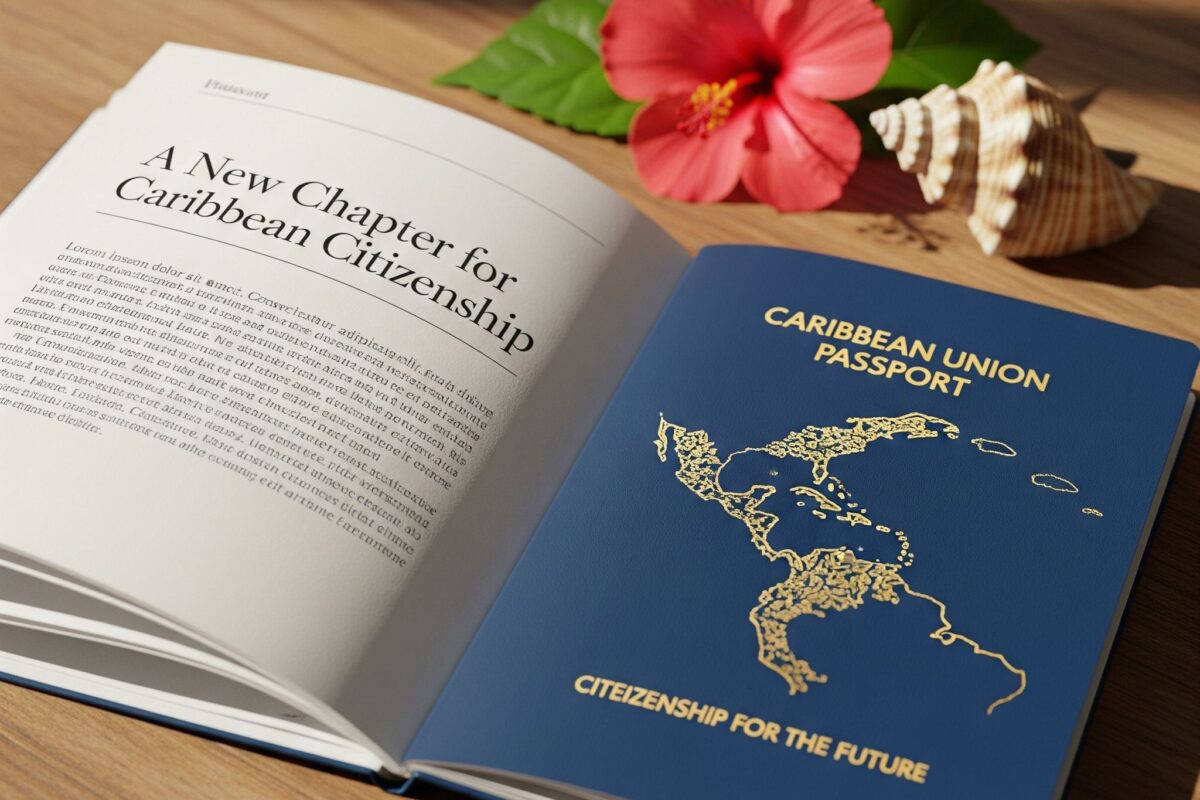
A New Chapter for Caribbean Citizenship: What You Need to Know About Upcoming Changes

A New Chapter for Caribbean Citizenship: What You Need to Know About Upcoming Changes

If you’ve been considering a second citizenship in the beautiful Caribbean, there are some important and positive changes on the horizon. Five of the region’s nations are coming together to enhance their highly respected Citizenship by Investment (CBI) programs, and we’re here to walk you through what this means for you.

The governments of Antigua and Barbuda, Dominica, Grenada, Saint Kitts and Nevis, and Saint Lucia are proposing a thoughtful evolution of their CBI programs. This isn’t about making things more difficult; it’s about strengthening the integrity and long-term value of your investment and new citizenship.


So, what’s new?

One of the most discussed updates is the introduction of a modest residency requirement. The proposal suggests a 30-day stay in your new home country, spread out over five years. Think of it as the perfect excuse to spend some quality time in paradise, getting to know the culture, the people, and the stunning landscapes of your new nation. Currently, only Antigua and Barbuda has a similar, though shorter, requirement.

To truly welcome you into their national family, these countries are also planning to introduce integration programs. These are designed to be an engaging way for you and your family to connect with your new country’s unique history, laws, and civic life. It’s an opportunity to build a genuine connection to your new home.

In a move towards sustainable growth, the nations are also considering annual caps on the number of applications they accept. This is a positive step that prioritizes the quality of the programs and ensures that each new citizen is a valued addition to the community. It’s a shift from quantity to quality, which ultimately enhances the prestige of the citizenship you’ll hold.


A Unified Approach for a Stronger Future

To ensure these changes are implemented smoothly and consistently, the five nations are creating a new regional body: the Eastern Caribbean Citizenship by Investment Regulatory Authority (EC CIRA). This shows a real commitment to collaboration and to maintaining the highest standards across the board.

These proposed changes are a direct and proactive response to feedback from the international community, including the United States and the European Union. By strengthening security and due diligence, these Caribbean nations are ensuring their CBI programs remain among the most reputable and sought-after in the world.


What This Means for Future Applicants

For those of us looking to embark on this journey, it means a more robust and meaningful process. We can expect enhanced due diligence and the introduction of personal interviews for applicants and their families. Initially, your new passport will be valid for five years, with a straightforward renewal process once you’ve met the new requirements.

This is an exciting time for Caribbean citizenship. These forward-thinking changes are designed to protect and enhance the value of your investment, ensuring that a Caribbean passport remains a powerful tool for global mobility and a source of pride for generations to come.

Our team at Adeniyi & Associates is following these developments closely, and we’re here to guide you through every step of the process. We believe these changes will make the journey to Caribbean citizenship even more rewarding.

Disclaimer: This article is for informational purposes only and does not constitute legal advice. Please contact us for a personalized consultation.

Caribbean CBI Programs in 2025: Navigating the New 30-Day Residency Rule and Enhanced Due Diligence

Caribbean CBI Programs in 2025: Navigating the New 30-Day Residency Rule and Enhanced Due Diligence

The dream of a second passport – that golden ticket to greater global freedom, a smarter financial footprint, and that all-important “Plan B” in a world that never stops changing – has always drawn savvy folks to the Caribbean’s Citizenship by Investment (CBI) programs. For ages, getting a second citizenship with hardly any need to actually be there was the big draw. But get this: 2025 is a game-changer. We’re talking a new 30-day residency rule and a serious ramp-up in how thoroughly they check you out. These shifts are going to reshape everything, meaning future applicants need to be sharper than ever.

Having been in the global mobility world for years, I’ve seen Caribbean CBI programs bend and flex with international pressure, all while trying to keep their shine. This latest evolution? Probably the biggest one yet. It’s moving from just a transaction to something that really asks for a genuine connection between you and your new country. From what I’ve learned helping countless clients through similar shifts, these changes, while a bit more complex, actually make Caribbean citizenship more legit and more valuable in the long run.


A New Era of Engagement: That 30-Day Residency Rule

The absolute biggest shake-up hitting Caribbean CBI in 2025 is this proposed 30-day residency requirement. Before now, most Caribbean CBI programs (Antigua and Barbuda already had a 5-day rule) boasted zero physical residency. Super convenient, right? That’s why so many international investors flocked there. But under growing pressure from big players like the EU, U.S., and OECD, five Eastern Caribbean nations – Antigua and Barbuda, Dominica, Grenada, Saint Kitts and Nevis, and Saint Lucia – have jointly put forward a plan for a mandatory 30 days of physical presence within the first five years of getting your citizenship.

And it’s not just about showing up. The draft framework, which dropped on July 1, 2025, talks about “integration obligations.” This could mean getting involved in civic education, learning about the country’s history and laws, or even taking part in cultural programs or community work. It’s a clear signal that they want new citizens to have a more meaningful link to their adopted home.

For anyone thinking about applying, this means rethinking your priorities. The idea of “instant citizenship” without ever setting foot in the country is fading. While you can spread those 30 days across multiple visits over five years, it still calls for a level of planning and commitment that just wasn’t there before. If you’re someone who loves the stunning beaches, vibrant culture, and laid-back vibe of the Caribbean, this might actually be a welcome chance to really experience your second home. For others, especially those looking for pure administrative simplicity, it might mean adjusting expectations.


Diving Deeper: What “Enhanced Due Diligence” Really Means

Beyond the residency rule, 2025 is also bringing a serious beefing up of due diligence across all Caribbean CBI programs. The Eastern Caribbean Citizenship by Investment Regulatory Authority (EC CIRA), currently a proposal, aims to set consistent standards for everything: who’s eligible, what documents you need, how long things take, and most importantly, how thoroughly they check you out. This is a direct response to international worries about illegal money flows and keeping these programs clean.

So, what does this “enhanced due diligence” really involve? Think of it as a multi-layered check:

  • Mandatory Interviews: Applicants, typically those 16 and older, will now have to do personal interviews, either in person or online. This is a big step away from the mostly paper-based processes of the past. It gives the CBI units a direct chance to gauge your credibility and why you’re applying.
  • Biometric Data Collection: The EC CIRA draft specifically mentions collecting biometric data – fingerprints, facial scans – for identity verification, background checks, and security.
  • Super-Verified Source of Funds and Wealth: The scrutiny on where your money came from and how you got your wealth will be intense. This means independent financial analysis and a much deeper dive into your financial history.
  • Expanded Background Checks: They’ll be working even more closely with international intelligence agencies, cross-referencing Interpol databases, sanctions lists, and lists of politically exposed persons (PEPs). This also includes thorough criminal background checks from every place you’ve lived or held citizenship in the last ten years.
  • Adverse Media and Reputation Risk Assessment: Expect deeper dives into public records, news articles, and your online presence to flag any negative media or potential reputation risks.
  • Restrictions on Name Changes: Some Caribbean nations are considering or have already passed laws limiting name changes after you get citizenship, aiming to prevent people from hiding their identities.

These measures, while adding steps to the application, are ultimately about making Caribbean passports more credible and well-regarded. At www.adeniyiassociates.com, we’ve always focused on making sure our clients are fully prepared for every single part of this complex process. These enhanced measures just underline how important thorough preparation and complete honesty are.


Navigating the New Landscape: What Applicants Need to Know

So, how do you successfully navigate these evolving rules in 2025?


1. Be Super Prepared:

The days of rushing applications are over. With all this extra due diligence, you need to have all your documents ready well in advance. This means detailed financial records, clear proof of where your money came from, and a comprehensive personal history. Any slip-ups or missing bits can cause huge delays or even a rejection.


2. Be Totally Transparent:

With deeper scrutiny, honesty is non-negotiable. Trying to hide information or give misleading details will absolutely come back to bite you. It’s much better to deal with any potential issues head-on with your legal team.


3. Pick Your Program Smartly:

While the general trends are regional, each Caribbean CBI program still has its own quirks. For instance, while most are adopting the 30-day residency, some might implement it a bit differently or have slightly varied integration requirements.

Table 1: Caribbean CBI Program Updates (2025 – Quick Look)

Feature / Program Antigua & Barbuda Dominica Grenada St. Kitts & Nevis Saint Lucia
30-Day Residency Proposed (from 5-day) Proposed Proposed Proposed Proposed
Mandatory Interviews Yes Yes Yes Yes Yes
Biometric Collection Proposed Proposed Proposed Proposed Proposed
Increased Investment Aligned ($200k+) Aligned ($200k+) Aligned ($200k+) Increased ($250k+) Aligned ($200k+)
Passport Validity (Initial) 5 years Proposed 5 years 5 years (option for 10) Proposed 5 years Proposed 5 years
Family Inclusion Broad Broad Broad Broad Broad
US E-2 Visa Access No No Yes No No

Just so you know: “Proposed” means these changes are part of the draft EC CIRA agreement and still need to be officially passed by each country’s parliament. Investment amounts are rough minimums for donation options and can change depending on family size.

For example, Grenada is still the only Caribbean CBI program that can get you access to the highly sought-after US E-2 Investor Visa, a huge plus for anyone with business interests in the States. Dominica and St. Lucia, on the other hand, have traditionally been known for their more budget-friendly entry points. Saint Kitts and Nevis, while bumping up its investment minimum for the new Sustainable Island State Contribution (SISC), still offers a powerful passport with tons of visa-free travel.


4. The Power of Professional Guidance:

Trying to navigate these tricky and changing rules on your own? Not a good idea. You need expert help. A seasoned advisor, like the folks at www.adeniyiassociates.com, can give you priceless advice, making sure all your documents are perfect, prepping you for interviews, and even anticipating potential issues. Our deep understanding of each program’s ins and outs and the very latest rule changes is absolutely crucial for a smooth and successful application. We’ve built our reputation on making complex things simple and keeping our clients’ information safe and secure every step of the way.


Beyond the Rules: Why Caribbean CBI Still Shines

Even with stricter rules, the core benefits of Caribbean citizenship by investment are still incredibly appealing in 2025:

  • Better Global Mobility: Being able to travel visa-free or get a visa on arrival to over 140 countries, including Europe’s Schengen Area, the UK, and increasingly, China, is still a top reason for many applicants.
  • Tax Perks: Lots of Caribbean nations have friendly tax systems, often with no personal income, capital gains, or inheritance taxes on money earned abroad. This is a big win for financial planning and protecting your assets.
  • Security and Stability: For those from unstable political or economic regions, a second passport from a peaceful, steady Caribbean nation offers invaluable peace of mind and a safe alternative.
  • Lifestyle and Quality of Life: The Caribbean is simply stunning, with a relaxed pace of life and growing infrastructure. It’s a tempting spot for anyone thinking about moving or retiring.
  • Family First: Most programs let you include dependent children (often up to a certain age), parents, and sometimes even siblings. It’s a comprehensive solution for multi-generational families.
  • Investment Opportunities: Beyond the direct contribution, real estate investment options can offer potential returns and tangible assets in a booming tourism sector.


My Two Cents

The changes in 2025, especially that 30-day residency rule, might seem like a hurdle at first. But honestly, from where I stand, they show the CBI industry is maturing. These programs are evolving from a “passport for cash” model to something more sustainable and trustworthy, aligning with global standards. This evolution, while perhaps a bit less convenient for some, ultimately makes the citizenship itself more valuable and long-lasting. And that enhanced due diligence? It just makes sure that only legitimate applicants get citizenship, protecting the integrity of the passport and the country giving it out. To me, that’s a good thing, benefiting both the host countries and the genuine investors looking for a valuable second citizenship.


Conclusion: Your Next Move

The Caribbean CBI programs in 2025, while asking for more commitment and transparency, are still an amazing path to global mobility and security. The new 30-day residency rule and beefed-up due diligence aren’t roadblocks; they’re signs of a stronger, more respected industry.

Thinking about a second citizenship by investment in the Caribbean? Now’s the time to plan ahead and get expert advice. Don’t try to figure out these big changes on your own.

Ready to take the next step toward your global future?

Reach out to Adeniyi Associates today for a chat tailored just for you. Our team of seasoned pros at www.adeniyiassociates.com is here to help you understand all the ins and outs of each program and guide you smoothly through the application process, making sure your journey to a second citizenship is clear, confident, and successful.